

What Is 'Baldmaxxing'? The Men's Trend Prince William And Harry Could Get Behind
These days, the world seems to have been divided into two distinct sections. One group seems to have embraced the normalization of cosmetic tweaks through words and action. Meanwhile, another group of people is more determined than ever to embrace themselves as they are. So, while the former group gets hair transplants to feel more confident, the latter group goes all in on baldmaxxing. Chatting with USA Today in 2026, Harry James, the self-proclaimed "CEO of baldmaxxing," explained that the movement encouraged men to fully accept their thinning hair instead of seeing it as a problem and experimenting with solutions.
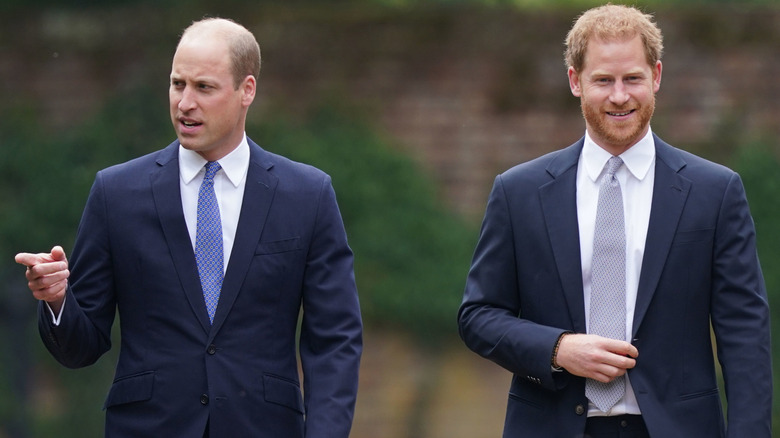
Additionally, when James spoke to the Wall Street Journal in 2026, he said that deciding to accept baldness was a "natural pushback to the hair transplant boom." Considering the sheer volume of negative societal messaging around hair loss we have witnessed over the years, it's unsurprising that tons of men have decided to wholly support the movement. While Prince William and Prince Harry may not be vocal supporters of baldmaxxing, it's more than likely that they would throw their weight behind it, given how they have reportedly not had hair transplants and make little to no attempts to conceal their thinning hair.
Watching royal men and regular men embrace their natural hair loss and also seeing side-by-side pics of celebrity men who are balding naturally inspired many others to follow in their footsteps. As the movement gained traction, many men took to Reddit to share before-and-after snaps of themselves from when they chose to fully embrace their hair thinning by shaving their head. To normalize being bald even further and create a sense of community, people also started hosting IRL gatherings of bald men.
Pre-pandemic vs now#baldmaxxing https://t.co/332MfEXfyW pic.twitter.com/hBLwO7mCpG
— yea (@gazapizmkinetix) February 26, 2024
Baldmaxxing may have risen to prominence at the perfect time
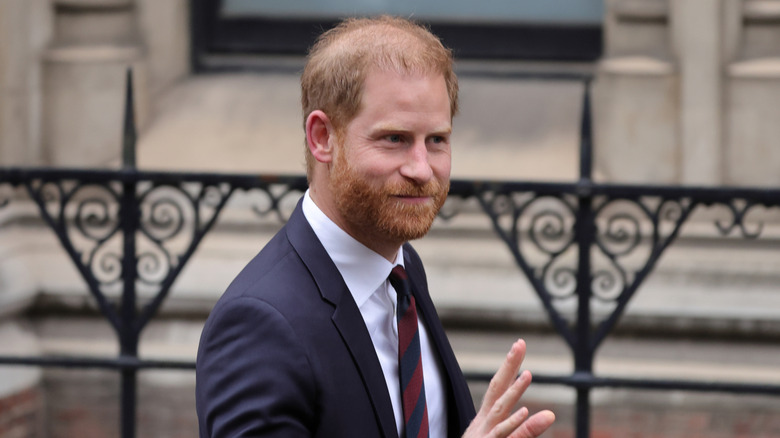
Speaking to USA Today, Alex Albring said that he had seen signs that he was starting to go bald at the age of 22 and instantly felt as if he were lacking in some ways compared to his peers. Initially, he tried to counteract hair thinning using products and hairstyles. Eventually, Albring realized that all his attempts to combat his receding hairline was pulling him away from living his life in the moment.
He went on to explain how he felt in those days. "When you lose that, you kind of start to feel like you're losing a part of your youth and a part of your identity. The avoidance of feeling vulnerable just may be the emotional driver behind the hair loss prevention market." A 2025 survey conducted by the International Society of Hair Restoration Surgery hinted that Albring might just be right on the money with that. The survey found that 90% of people underwent a hair transplant surgery to "become/feel more attractive." Meanwhile, another 63% of patients said they wanted "to appear younger to compete in the workplace." It's also worth noting that 95% of people who had hair restoration surgery for the first time were between 20 and 35.
While there's nothing wrong with getting hair transplant surgery to feel more confident, Albring refused to join that statistic. Instead, he got a buzz cut at the age of 29 and felt freed from the burden of wondering about other people's perceptions of him.