

Older Women In Hollywood Are Embracing This Healthy Mindset Shift As They Age
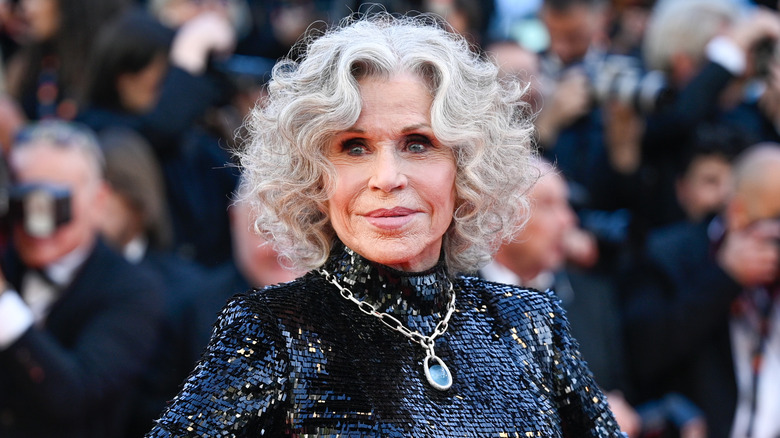
For the most part, the discussion surrounding aging in Hollywood is centered around women's looks and their bodies. While these stories take up headline space, many celebrities have stumbled upon a mindset shift that has nothing to do with how they look. In a 2022 chat with CBS News, Jane Fonda shared that she had started practicing sobriety because she had found that alcohol just hit differently as she aged. "I only have so many tomorrows left," Fonda said while further elaborating on her reasons for giving up drinking. "I don't want to be at half-mast for any of them."
Fonda's perspective on how she wanted to spend her days also inspired her "Book Club" co-star, Mary Steenburgen, to sort out her priorities. Speaking to People in 2026, Steenburgen shared how conversations with the "Grace and Frankie" alum compelled her to reevaluate her life and question if she was spending her time and energy on people who deserved it. The comedian then revealed another pearl of wisdom that Fonda had shared with her, saying, "'Don't take your foot off the gas pedal. Push it down harder. Harder now."
Fellow actor Jamie Lee Curtis may not have directly spoken to Fonda and Steenburgen about aging, but she reached a similar conclusion about priorities. During a 2026 chat with AARP, the "Halloween" star shared that after turning 60, she came to the conclusion that death was nearer rather than far away. After that thought popped into her head, she realized that she had "no time to waste on toxic people, on relationships that don't serve [her]."
Why older women in Hollywood made the right move by re-evaluating their relationships
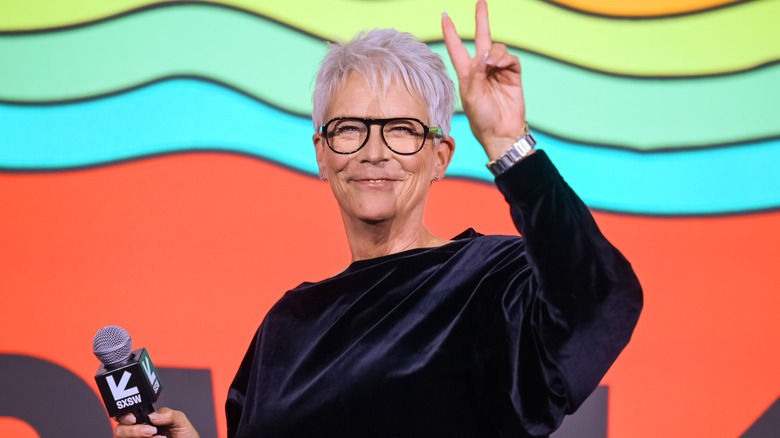
According to research, it's better to adopt the mindset of women like Jamie Lee Curtis, Mary Steenburgen, and Jane Fonda sooner rather than later. A 2026 study in PNAS found that having a hassler (a person in your life who causes you stress) could make you age 1.5% faster and increase your biological age by nine months. People who had multiple hasslers in their lives were more likely to say they were in poor health and experience symptoms of depression and anxiety. They were also more prone to having long-term health conditions and being overweight.
Experts agree that toxic relationships can do some serious damage to your body. Speaking to Vice, Laura Sgro, a licensed therapist/holistic anxiety and trauma therapist, shared that the unpredictable nature of toxic relationships often causes our nervous systems to remain in a perpetual fight-or-flight state. "This repeated pattern can lead to sustained cortisol levels, which negatively impacts blood pressure, immune function, and sleep," Sgro explained. "Over time, these symptoms can compound into long-term chronic health conditions, like cardiovascular issues, inflammation, or autoimmune diseases."
The therapist noted that your body may try to tell you that it's too stressed in subtle ways at first. The mental tolls of toxic relationships could physically manifest through simple symptoms like muscle aches, appetite fluctuations, and gut problems before turning into a serious health issue. Although there are plenty of easy ways to lower your stress and cortisol levels, it's important to get to the root of toxic relationships to prevent them from affecting your overall physical and mental health.
If you or someone you know is struggling with mental health, please contact the Crisis Text Line by texting HOME to 741741, call the National Alliance on Mental Illness helpline at 1-800-950-NAMI (6264), or visit the National Institute of Mental Health website.