

The '80s Grapefruit Diet Was A Boomer Fad But Younger Generations Know Better

Although the younger generations see questionable dieting advice on social media on a daily basis, they still can't believe how baby boomers vehemently followed fad diets that made little to no sense. One of the biggest head-scratchers for younger generations is how the grapefruit diet remained popular through the decades, even though there was little scientific evidence to back its claims. The fad diet first rose to prominence in the 1930s due to the belief that grapefruit had a fat-burning enzyme that would make weight loss a breeze.
Over time, people began believing that the diet would help them shed up to 10 pounds in 10 to 12 days. Dieters were encouraged to eat as little as 800 calories a day and avoid carbohydrates and sugary foods. Instead, they were told to fill their plates with protein-rich, high-fat, and high-cholesterol foods. Their meals would be deemed incomplete without half of a grapefruit.
Chatting with Parade, Sandra Zhang, RDN, LDN, professed that the diet stuck around for so long because it offered people a seemingly straightforward approach to weight loss that didn't increase their grocery bills. Jessica Cording, R.D., also noted that the diet further cemented the boomer-era belief that extreme measures lead to extreme results because the water weight loss it brought on temporarily made the scale move. Ultimately, though, the diet wasn't sustainable enough to stand the test of time. According to Cording, the diet failed to resonate with younger generations because research all but dispelled the idea that grapefruit truly contains a fat-burning enzyme.
There are multiple reasons that younger generations have no desire to try the grapefruit diet
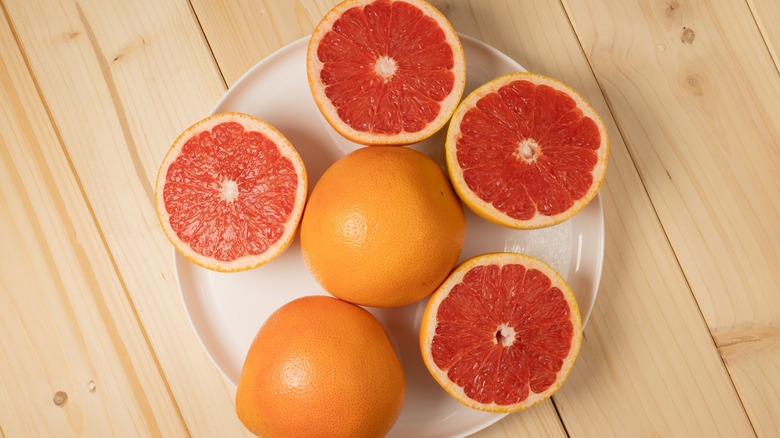
A 2006 study in the Journal of Medicinal Food found that people with obesity who consumed grapefruit before their meals lost more weight over 12 weeks than those who didn't include the fruit in their diet. However, as we know, it's not because of a fat-burning enzyme. Rather, according to Kathleen Zelman, MPH, R.D., grapefruit's high water content can boost satiety and make staying in a calorie deficit easier (via WebMD). However, she cautioned that it wasn't the magical fat burner the fad diet deemed it to be.
Since boomers were likely unaware of these facts, they continued following the fad diet, believing they were experiencing a surprising benefit of eating grapefruit. Meanwhile, the more Internet-savvy generations under them have this information at their fingertips. Additionally, the younger generations are apparently aware that research has revealed that fad diets are far worse for our health than most people realize.
Gen Z food trends have indicated that younger folks favor a balanced approach to nutrition rather than cycling through fad diets (per GWI). While the older generations may have prioritized diet-friendly options on their grocery runs, Gen Zers are more likely to keep protein at the forefront of their grocery shopping. Additionally, data from 2022 and 2024 indicate that the younger generation in Europe primarily made food choices with their fitness goals in mind rather than weight loss. Ultimately, t's unsurprising that the grapefruit diet was eventually deemed one of the many fad diets from the '70s that wouldn't fly today.