

5 Underrated Hygiene Habits You're Not Doing Enough
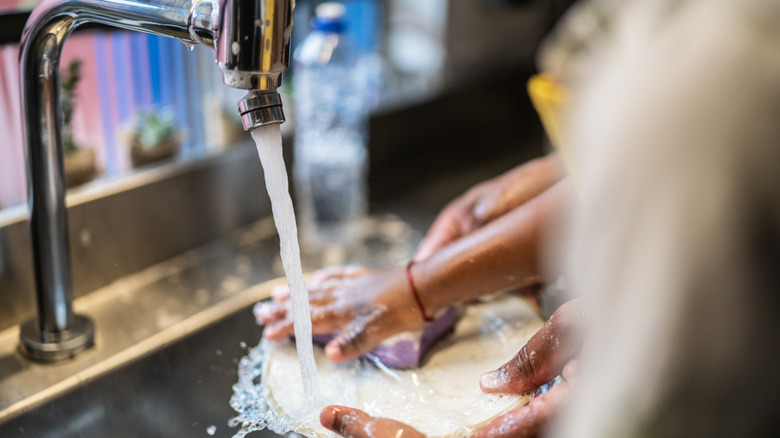
You might never forget to brush your teeth or remove your makeup at night before hitting the sack. However, that doesn't mean you aren't neglecting a few hygiene habits. Fact is, most of us have a few underrated hygiene should-dos that we don't do routinely. But forgetting hygiene occasionally isn't full-blown hygiene indifference or resistance, which can be symptoms of some mental health disorders or progressive cognitive decline conditions. More frequently, it's an outcropping of a busy life that gets in the way of getting "little stuff" done.
Certainly, it's okay to miss the mark on your hygiene once in a while. For instance, skipping showers can even be a relief if you have sensitive skin that's prone to irritation by hot water or soap. As dermatologist Dr. Shilpi Khetarpal told Cleveland Clinic, "Showering can be drying." How often do you really need to shower? Less often than you might suspect, actually. Taking quick sponge baths is okay as a general hygiene practice that probably isn't going to be an issue.
That said, some of the habits you're not doing enough may be important enough to consider turning into regular behaviors, like these five that you could address this week.
Sanitizing or replacing your kitchen sponge regularly
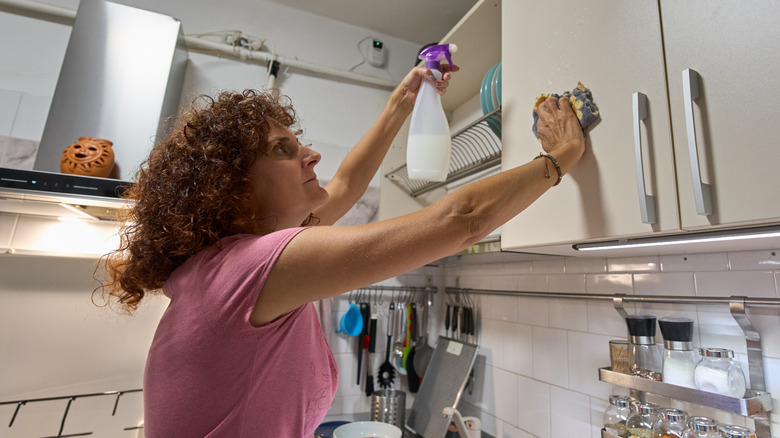
You wash your countertops to keep them sparkling and free from germs. You also wash your dishes. But what about the kitchen sponge you're using for all that cleaning? It gets icky, too, and deserves to be cleaned or replaced from time to time.
Just how gross is the average household sponge? A 2017 investigative study in Scientific Reports revealed that the average sponge harbored dense amounts of bacteria. Another 2017 study in the Journal of Food Protection found that 44% of tested sponges contained fecal coliform bacteria, which could cause health issues for some people when ingested, according to the U.S. Environmental Protection Agency (EPA).
How often should you replace your sponge? You don't have to replace your sponge daily to avoid distributing bacteria around your food preparation and eating areas, though. As food safety expert Jennifer Quinlan explained to NPR, you can extend the life of your sponge without putting yourself or your household members at risk. Her recommendation is to microwave a wet sponge for a minute, which kills the most dangerous germs. "It doesn't sterilize the sponge," she admits, but adds that microwaving destroys the microbes that are most troublesome to humans.
Cleaning your favorite water bottle after you work out
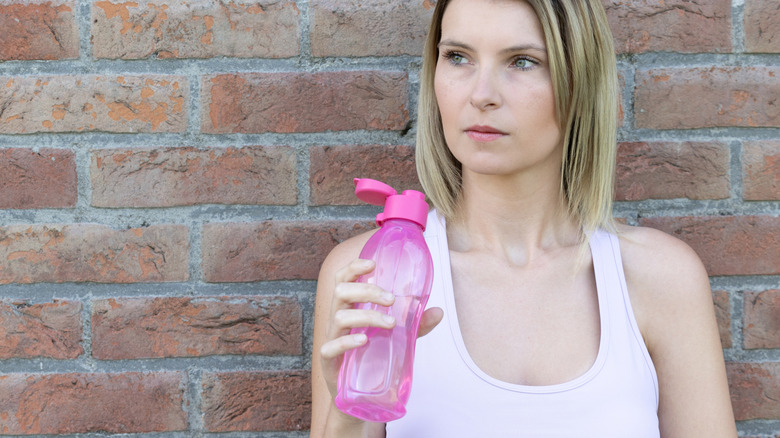
Keeping a reusable water bottle by your side can be key if you're trying to stay hydrated. And it helps the environment by lowering your use of disposable plastics. However, your water bottle might not be as squeaky clean as you'd like.
Findings from a WaterFilterGuru study on the dirtiness of reused water bottles found that squeeze-top bottles contained more germs than the average toilet seat. Moreover, approximately 15% of respondents admitted to only washing their water bottles occasionally.
According to food safety expert Amy Johnston, you should wash your water bottle once a day. "That's just going to prevent any buildup of bacteria," explained Johnston to CBS News. She advises that your scrubbing should include "those little nooks and crannies are where bacteria are going to want to hide." You may also want to wash it thoroughly after gym time, as ignoring the sweat and bacteria that can pile up after an exercise session is one of the hygiene mistakes people make after a workout.
Cleaning your phone screen with a microfiber cloth

You carry your phone around with you and maybe even take calls or scroll in the bathroom. But do you pay attention to how often you're cleaning off the screen that's touching your hands and face? Probably not, if you're like most people. According to YouGov, only 21% of people in the United States sanitize their phones daily, and 7% never bother to clean their phones at all.
Health expert and author Dr. Lori Shemek posted a very blunt call to action on Instagram to anyone who isn't in the 21%. "Phones are filthy," she wrote, adding that they're germier than toilet seats. Her solution? "Wipe your screen with a microfiber cloth and 70% alcohol or a 1:1 mixture of water and white vinegar."
If you want other ways to get your phone spotless aside from Dr. Shemek's recommended cleaning protocol, you could also try a sanitizing light that uses UV-C LED technology. A 2023 study of one UV-C LED product in Microorganisms found that it reduced unwanted bacteria on phones by as much as nearly 94% within 48 hours. That said, a cheap UV-C LED device won't work; you'll need one with a wavelength of between 200 and 280 nanometers (nm) to be effective.
Washing bras frequently (or after a set number of uses)
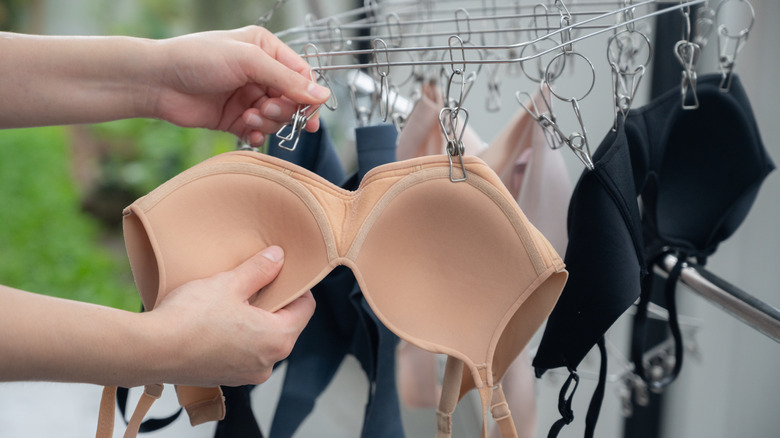
For plenty of women, washing a bra is a more complicated task. Bras often require special attention like handwashing with gentle detergents to hold their form. As a result, a number of women end up putting off washing their bras for several uses.
How long is too long to wait to scrub-a-dub your bra, though? Dermatologist Dr. Alok Vij has some answers. In an interview with Cleveland Clinic, Dr. Vij noted that it makes sense to clean a bra after using it at least three times. "Not washing frequently enough can lead to stains and persistent odors on the bra — as well as skin irritation, rashes or local skin infections from yeast or bacteria," he explained.
Are you unsure exactly how to wash your bra? Again, it may be good to hand wash delicate lingerie. But if your bra can go in the laundry, you could try a bra bag to make sure it doesn't get out of shape or wrap around other clothing. For drying, opt for the air to maintain the integrity of your bra fabric and form for longer.
Thoroughly cleaning your kitchen sink at least once a week

You may do a terrific job of keeping your kitchen spotless. However, you may be missing one of the filthiest hotspots in your castle: the kitchen sink. Your sink may be where you wash other items, but that's why it needs some TLC in the form of regular scrubbing, too. Otherwise, it'll start to get grimy and may become a health hazard for you and other members of your household. A 2017 study in the Journal of Food Protection revealed that 44% of homes tested contained fecal bacteria, many of which were found in kitchen sinks; 15% of the homes had E. coli (typically from sink-sourced samples).
Cleaning expert Leanne Stapf told Southern Living that a good rule of thumb is to aim to clean the sink weekly, even if you think it's pristine. "Bacteria can build up from unexpected places over time and dust can easily settle in unused spaces," she explains. Of course, if you've exposed the sink to raw meats or poultry, sanitize it by cleaning it with a bleach mixture right away to destroy harmful germs.
What if you're the kind of person who cooks homemade meals every day? In that case, cleaning professional Toby Schulz advises diligently cleaning your kitchen sink just as regularly (via Better Homes and Gardens). "If you cook or use your kitchen every day, then you'll also need to clean your kitchen sink every day." While you're at it, practice monthly drain cleaning as well.