

5 Common Millennial Health Habits That Made Them Pioneers Of A Wellness Revolution

Millennials might well be seen as wellness pioneers thanks to their desire to prioritize different areas of their physical and mental health. For instance, Statista data from 2021 revealed that millennials were leading Gen Z, Gen X, and baby boomers in the percentage who engaged in sports activities. What's more, millennials have helped to normalize subjects like therapy and counseling for people from all generations by making it okay to discuss in everyday situations.
Why are millennials so determined to take control of their health? Perhaps one reason is the desire to avoid burnout. In 2025, 77% of millennials surveyed by Seramount said that they had at least one of the signs of burnout, making millennials the most stressed generation. Another reason could be that they don't want to develop a chronic disease. After all, according to a 2025 study in Preventing Chronic Disease, more than 78% of adults in midlife had at least one chronic condition between 2013 and 2023.
Regardless of their reasons, millennials aren't letting life happen to them; they're taking charge and making healthier changes as they approach midlife. A McKinsey & Company survey from 2025 shows as much: Nearly three out of 10 millennials and Gen Zers acknowledged that they had begun to focus on their wellness "a lot more" than they did in the previous year. The following habits are just some of the ways millennials are reshaping themselves (and everyone around them) as they change what being healthy means.
Devouring functional foods: A straightforward way to get nutrients through meals
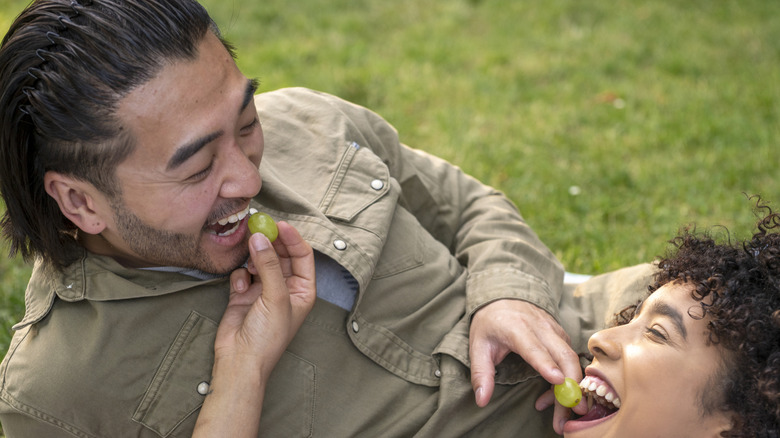
The millennial trend of embracing functional foods proves that you don't have to spend tons of time taking care of yourself. Functional foods are those that are nutritionally rich, like berries, which assist with reducing inflammation. By making functional foods part of their everyday meal plans, millennials are putting their health front and center without the need for extra supplementation.
Data from late 2025 that analyzed dieting behaviors among different generations found that millennials want personalized diets that aren't restrictive or difficult to achieve (via Food Navigator), and swapping functional foods for alternatives that aren't necessarily as nutrient-dense is simple. In fact, fueling up on functional foods enables millennials to take fewer or zero supplements. Registered dietitian Isabel Garza explained why in an interview with The Food Institute. "Taking out a pill bottle can feel clinical," she acknowledged. "In contrast, having a coffee, hydration mix, or snack that doubles as support feels natural and socially seamless."
Raising workplace benefits expectations: Mental health resources and personalized healthcare perks

The Businessolver 2025 Benefits Insights Report revealed some very specific work perks that millennials want: help getting mental health services, such as access to online therapy, and the empowerment to take paid time off (PTO) to take care of mental health at work and at home. Meanwhile, in a 2024 survey from Forbes, 68% of millennials indicated that receiving mental health resources from their employers would help them feel a greater sense of satisfaction with their jobs.
These two pieces of feedback from millennials give a clearer view of just how strongly they feel about being seen as a whole person in the workplace. They don't just want a paycheck; they want true health-based compassion and support from their organizations. They're pushing for an integrative approach to employee healthcare benefits that concentrates on the individual. Even the Association of American Medical Colleges supports the concept of personalized care, with microbiologist Melanie Rutkowski saying that personalized medicine "opens a world of possibilities."
Activating health apps: Monitoring and maintenance around the clock
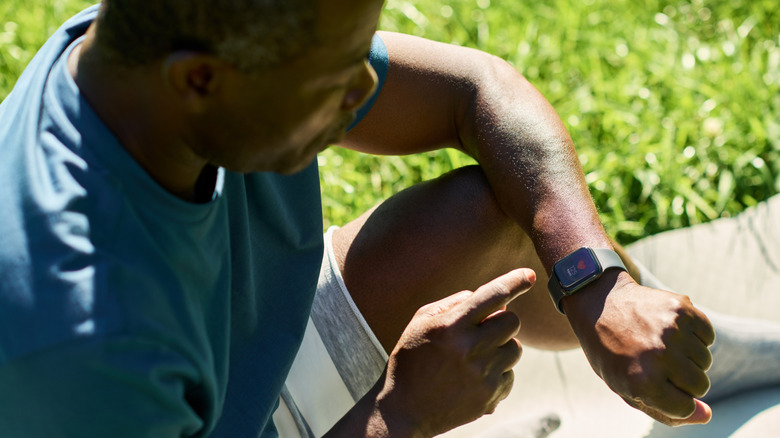
Most millennials are old enough to remember a time before the digital age, but they've had so much experience with technology that they're fairly comfortable with it. Therefore, it shouldn't be a huge shock to learn that they're pioneering the use of health apps.
According to a PYMNTS report sponsored by CareCredit, 66.1% of bridge millennials and 69.4% of millennials avail themselves of health-monitoring devices, including wearable technologies. This pattern may stem from a desire to take proactive charge of their health. Millennials generally like being able to monitor and track their caloric consumption, sleep quality, and more, and many of them have been this way since their college years, when they started using apps in earnest, according to the HealthWell Foundation.
One advantage to their wanting to quantify various aspects of their health is that their behavior has increased curiosity about health apps among people in other generations, thereby lowering resistance to their use. In fact, findings from a 2026 study released by Reach3 Insights noted that 88% of individuals surveyed wanted to either increase their use of wellness tech or keep the same amount. Plus, doctors seem to approve of health apps, as long as they're used in conjunction with provider visits.
Satisfying an appetite for evidence-based research: Checking up before diving into fads

You can tell a millennial about a new health trick or tip, but don't expect your suggestion to go unresearched. Millennials have a reputation for heading to the Internet to validate claims. And they own it, with one Reddit millennial bemoaning, "Are we actually the only generation that still uses the internet on our own accord to learn things we don't know?"
This willingness to double-check has led millennials to seek out evidence-based research when they hear medical or fitness claims. Millennials naturally challenge wellness marketing hype, which helps them avoid products and practices that aren't likely to work. What they want to receive is the hard truth through quantitative results, which is why they helped researchers debunk commonly spread rumors about St. John's wort.
Additionally, millennials aren't scared to break down health barriers, as they did by making self-care an acceptable routine. "Our generation has seen enough," self-care mentor Gracy Obuchowicz told NPR about the millennial need to push those kinds of boundaries and demand both proof and attention for previously unaddressed wellness topics.
Giving alternative medicine a first look: Starting with holistic and homeopathic answers
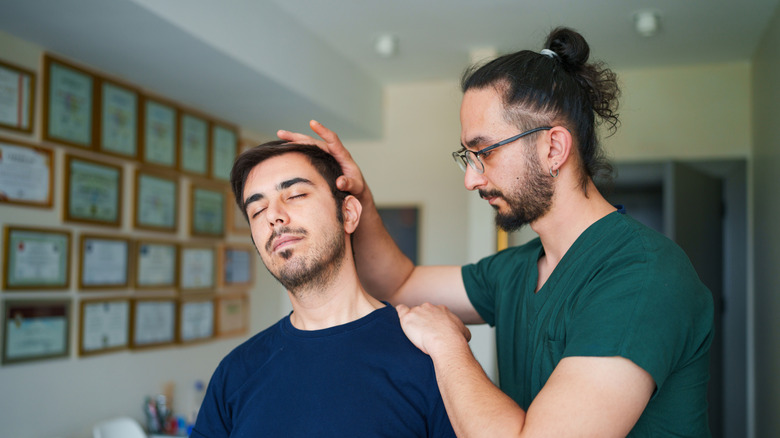
The world of alternative and complementary medicines appeals to millennials both financially and practically. In fact, doctors who took part in a 2016 poll from Sermo agreed that 45% of their millennial patients were likely to be hesitant to accept treatment recommendations. They also admitted that the majority of millennials were quick to ask about less expensive alternative treatments to try.
Academic clinician Dr. Brad Finer explained why millennials are so interested in alternative medicines in a Northwestern Health Sciences University piece: "This younger generation is investing in prevention of disease rather than waiting until they get sick to seek treatment." In other words, millennials aren't as likely to just wait until they have to take prescription drugs for existing conditions. On the contrary, they want to avoid developing the conditions through holistic, integrative, or alternative solutions that they've already investigated at length, such as chiropractic care. That could be a good development, given that a 2024 literature review in Cureus touted the "remarkable success" of evidence-based complementary and alternative medicines.