

Rachael Ray's 7-Word Tip For Menopausal Women Couldn't Be Easier To Follow

In many ways, Rachael Ray's advice for menopausal women is to keep it simple and stick to the basics. When the popular cook discussed her menopausal journey with People in October 2026, she said she isn't experiencing any symptoms of menopause whatsoever, though she's still happy to follow her doctor's advice on menopausal treatments. Then, Ray advised women to eat "as healthfully as possible" during menopause, before sharing a simple seven-word pearl of wisdom: "Eat lots of color in your diet." The best-selling author explained that a colorful plate can help you consume a variety of vitamins and potentially reduce reliance on supplements. However, she made sure to note that she takes supplements to support her health as she goes through menopause.
Now, there are plenty of real reasons a colorful plate is good for your health. In a post shared by UTHealth Houston, Dr. Rupa Mahadevan, a pediatrician with UT Physicians, explained the benefits of eating the rainbow, saying, "Each pigment has a different health property and a different health benefit." She continued, "When you eat a variety of colors, the body takes in a range of phytonutrients and receives more health benefits."
For menopausal women, a colorful diet can be particularly beneficial. Greens like spinach, kale, turnip greens, and collard greens can help women going through menopause because of their high calcium levels, which promote bone health. Menopausal women are at a higher risk of developing osteoporosis, making getting enough calcium especially important. In addition to the aforementioned vegetables, milk, yogurt, and low-fat cheese can also go a long way in providing calcium.
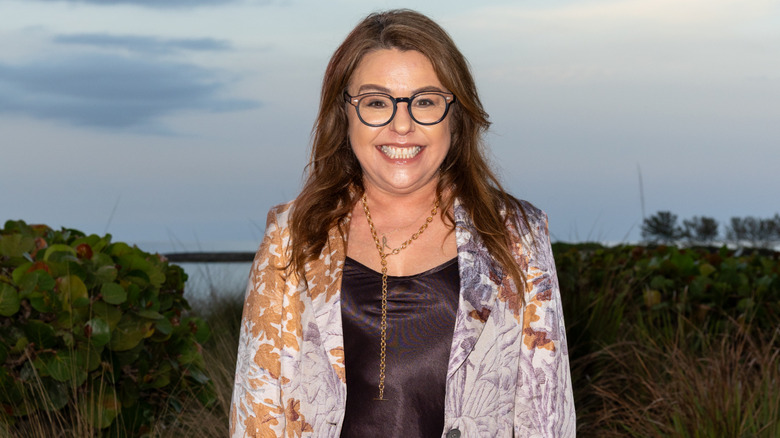
Rachael Ray shared an example of a well-balanced meal for menopausal women
Adding more color to your plate is scientifically proven to help keep menopause symptoms at bay. For instance, a 2013 study published in The American Journal of Clinical Nutrition found that women whose diets consisted of a variety of colorful fruits, including strawberries, apricots, pineapple, and mango, were 20% less likely to report hot flashes and night sweats compared to the women who consumed lesser quantities of fruit and ate an overall diet high in fat and sugar. The same positive result was found for women who followed the Mediterranean diet, which encourages the consumption of a variety of vegetables and whole grains.
Of course, protein can also benefit menopausal women since it can help maintain the muscle mass that they are at a higher risk of losing. To add variety to your plate, switch between lean proteins like grilled chicken, tuna, lean beef, and plant-based options like tofu, soy, lentils, and beans. Soy, in particular, is one of the many foods you should eat to prevent hot flashes. In fact, a 2021 study published in the journal Menopause found that postmenopausal women who ate a portion of soy every day for 12 weeks as part of an overall low-fat vegan diet saw a 79% decrease in hot flash frequency.
Considering all the ways in which you can add more color to your diet, it can be slightly confusing to figure out a well-balanced meal for menopausal women. Thankfully, during a September 2026 appearance on ABC News, Rachael Ray shared an example of such a meal: a meatless Bolognese. To boost its nutritional value, the recipe swapped regular pasta for whole wheat pasta, traded meat for lentils, and included many colorful veggies.