

How The Beloved Leading Ladies Of '60s TV Died
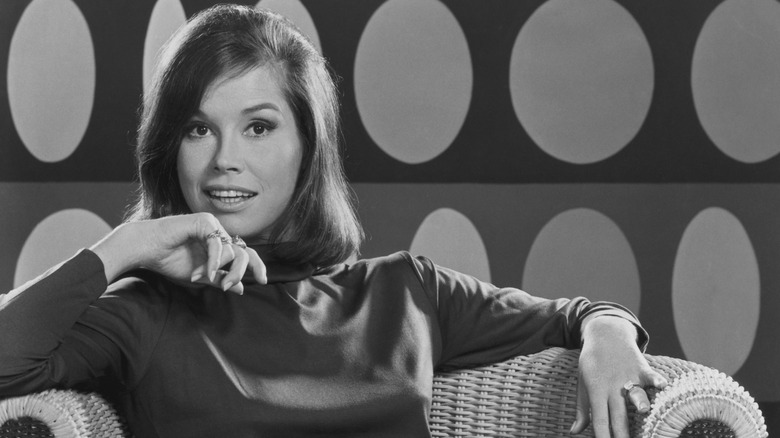
In the 1960s, families spent a lot of time huddled around their TV sets. As actor Tom Hanks once noted on CNN's "The Sixties" docuseries, "The TV was the center of the house." And since there were only three major channels — ABC, NBC, and CBS — most TV watchers were highly familiar with the characters being portrayed in the period's sitcoms and dramas. Unsurprisingly, viewers started to feel deeper connections with many of the beloved leading ladies they saw on the TV sets in their homes, and plenty followed those women's careers until each star passed away.
Fans of the female stars from this period, as well as those who discovered them afterward when those '60s shows went into syndication, may be curious to know the eventual fates of those famous faces. As it turns out, some of these '60s sitcom stars experienced serious medical issues that led to early deaths, while others lived long lives and had few health problems. Here are their stories.
Mary Tyler Moore passed away due to cardiac arrest
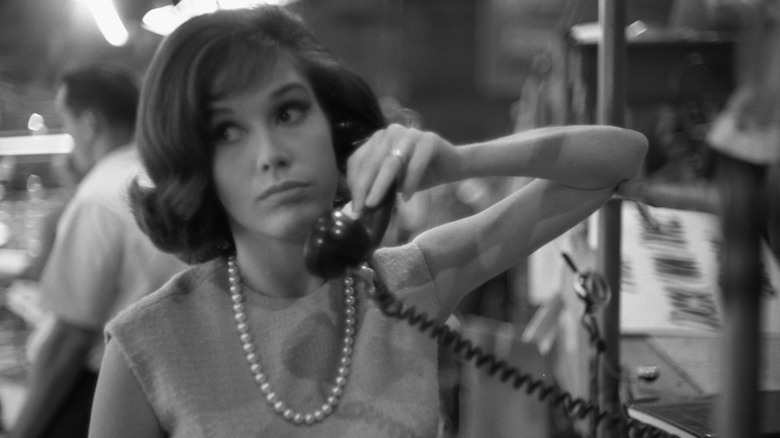
Many retro TV enthusiasts immediately think of the 1970s TV series "The Mary Tyler Moore Show" when they think about Mary Tyler Moore. However, she actually became a beloved TV celebrity a decade earlier, when she played Laura Petrie on "The Dick Van Dyke Show."
Moore dealt with health issues throughout her life, including a diabetes diagnosis at age 33 that she leveraged to raise public awareness about the condition. Moore had Type 1 diabetes, one of several different types of diabetes. Speaking to MedLinePlus Magazine in 2006, she revealed that she was initially worried about how her diagnosis would affect her work. "But I also realized if I did speak out, I might be able to help others better cope and manage their diabetes," she added.
Moore passed away in 2017 at age 80 due to cardiopulmonary arrest, also referred to as cardiac arrest, which was partially attributed to complications stemming from her diabetes. According to medical experts, having diabetes can increase a person's risk of heart disease.
Lucille Ball died after a major surgery
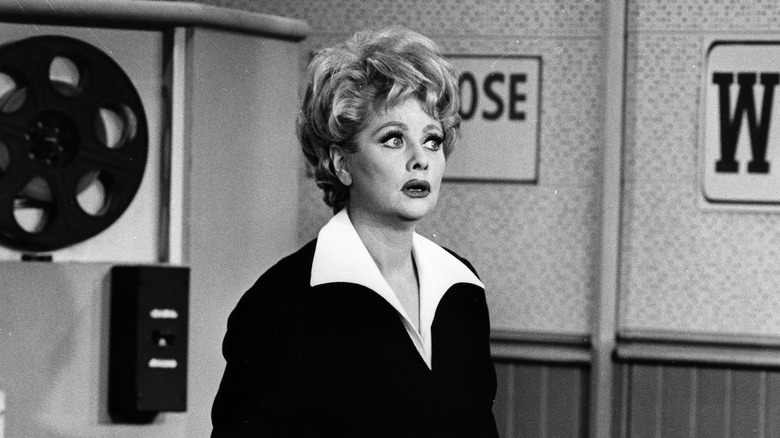
The 1950s sitcom "I Love Lucy" undoubtedly boosted Lucille Ball's popularity among TV audiences. After the series ended, Ball remained in the public eye as the star of "The Lucy Show" from 1962 to 1968. Ball kept doing professional projects and eventually passed away in 1989. The New York Times reported that the legendary comedian died from a ruptured aorta following a seven-hour heart surgery. The procedure was meant to address symptoms of an aortic aneurysm that caused a heart attack.
An aortic aneurysm is a weakened location in the aorta, the main vessel supplying blood to the heart. Aortic aneurysms are more common in men, and become more likely to happen to a person with each passing decade. Because aortic dissections typically go undetected until they rupture, they can be particularly life-threatening. Smoking and high blood pressure are two of the biggest risk factors for developing an aortic aneurysm. Ball was a lifelong cigarette smoker who also had a history of high blood pressure.
Diahann Carroll died after a health condition returned in her later years
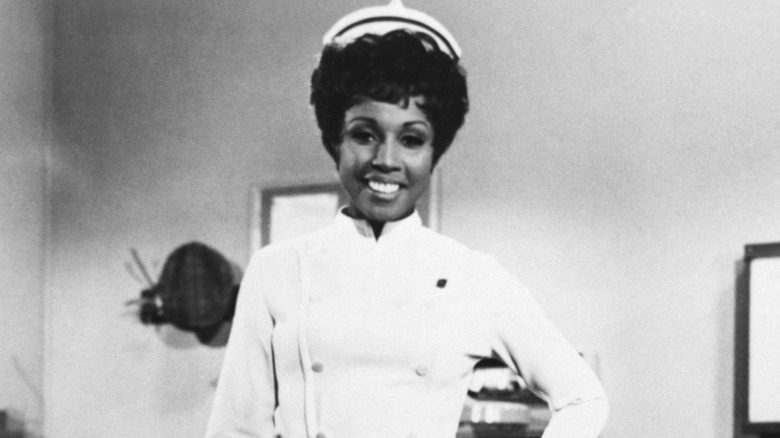
Some TV shows in the 1960s sought to break down societal barriers, including "Julia," a sitcom that starred Diahann Carroll. What made Carroll a standout leading lady of the time was her place as the first woman of color to star in a sitcom who wasn't playing a subservient role. As she reflected in an interview on "Smith & Muse" from 1980, "['Julia'] represented the first time that a black family went into the homes of Americans on a weekly basis."
Carroll passed away at age 84 in 2019. Her cause of death was reported as complications from breast cancer, a condition she was first treated for in 1998. Per CBS News, Carroll became a strong advocate for increased cancer research funding and free screenings for low-income women, saying, "We all look forward to the day that mastectomies, chemotherapy and radiation are considered barbaric." Carroll's hope hasn't come to fruition, as the three therapies she mentioned are still treatments for breast cancer today.
Shirley Booth died after a life of decent health
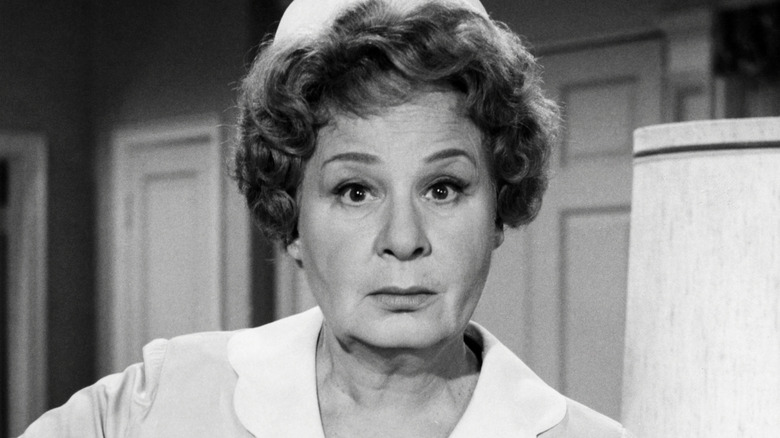
Shirley Booth turned being a maid on its head for the wacky 1960s sitcom "Hazel," in which she portrayed a witty character that earned her household name status with TV fans. Booth was already in her 60s when "Hazel" aired and had decades of prior acting experience. However, there are no reports that she had any particularly debilitating or serious medical problems until the end of her life.
In 1992, at age 94, Booth died of natural causes in her home. The term "natural causes" is a catch-all phrase typically reserved for deaths that occur because of internal causes like cardiovascular events or cancer, rather than by external causes. Per a 1992 article from the Seattle Times, Booth's sister said that Booth had become legally blind and had broken her hip in the years leading up to her death.
As it turns out, living into your 90s has become proportionately more common in recent years. A 2011 report from the U.S. Department of Commerce notes that while 2.8% of people over age 65 in 1980 lived into their 90s (a few years before Booth died), the figure leapt to 4.7% by 2010.
Dawn Wells died from complications related to COVID-19
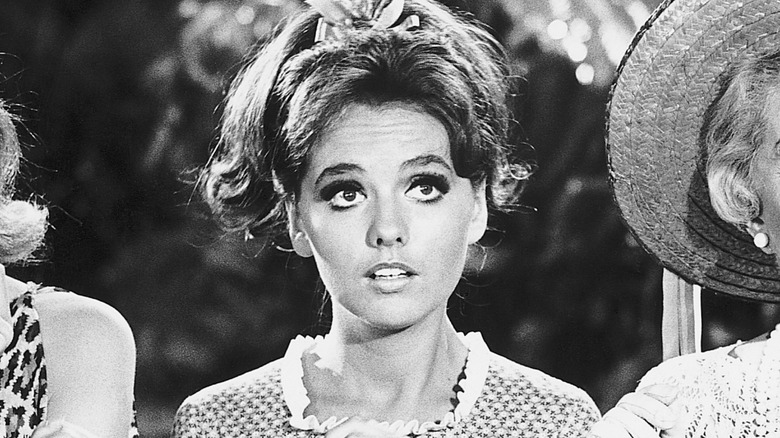
Among all the lasting TV hits from the 1960s, "Gilligan's Island" stands out for its iconic recurring characters, including Mary Ann, a somewhat innocent farmgirl played by Dawn Wells. After the show ended, Wells continued to take roles until 2019.
In 2020, TMZ reported that, according to legal documents, Wells had been diagnosed with dementia and was residing in an assisted living facility. Later that year, Wells passed away. Her publicist, B. Harlan Boll, announced the news in a Facebook post, stating, "America's favorite castaway, Dawn Wells, passed peacefully this morning, in no pain as a result of complications due to Covid at the age of 82."
The virus that causes COVID-19 can be fatal in some cases, especially for individuals who are in their senior years. The U.S. Centers for Disease Control and Prevention notes that people between the ages of 74 and 85, like Wells, are 140 times more likely to die from the virus than adults ages 29 and younger.