

Not Blueberries, Not Kale: 5 Underrated Superfoods Boomers Should Know

All baby boomers are in their 60s or older, and many are opening up and sharing their best advice on aging, including their views on exercise and wellness. For boomers, staying healthy as long as possible is a common goal. According to 2024 data from ABC Fitness, four out of five boomers describe themselves as being active, and 82% of them say they adhere to the exercise objectives they set. On the other hand, 2025 research published in Preventing Chronic Disease reported that high blood pressure, elevated cholesterol, arthritis, obesity, and diabetes are some of the top conditions affecting the U.S. boomer population. Staying ahead of these age-related medical problems can be tough, even if you're staying active, which is where eating underrated superfoods could help.
For years now, blueberries and kale have been lauded as superfoods, a term that generally means that a food is rich in nutrients, antioxidants, fiber, and other good-for-you things. Blueberries, for one, are packed with antioxidants and can aid brain function, among many other benefits. Meanwhile, kale is full of vitamins like C and A, as well as cancer-preventing compounds like sulforaphane. The good news, though, is that you're not up a creek without a paddle if you don't like these foods. There are plenty of other nutrient-dense foods that provide real benefits for older folks, from walnuts and yogurt to chia seeds and barley.
Unsweetened yogurt may subdue high blood pressure and assist with weight management

Baby boomers who want to control their hypertension (high blood pressure) through dietary means may find a solution in the dairy department. Specifically, unsweetened plain yogurt has shown promise when it comes to taming rising blood pressure.
A 2021 study published in the International Dairy Journal found a correlation between eating small amounts of unsweetened yogurt and a drop in blood pressure among individuals with existing hypertension. One of the authors, Dr. Alexandra Wade, told Science Daily that dairy products may be beneficial in bringing down cholesterol due to the presence of calcium, magnesium, potassium, and other micronutrients. "Yoghurt is especially interesting because it also contains bacteria that promote the release of proteins which lowers blood pressure," she added.
Yogurt's advantages might not end with the cardiovascular system, though. A 2015 review in the International Journal of Obesity found a potential link between yogurt consumption and lower body weight. Additionally, a 2016 study in Nutrition, Metabolism and Cardiovascular Diseases noted an association between whole-fat yogurt consumption and reduced abdominal obesity in older people.
Walnuts may curb cholesterol buildup and protect diabetics from heart disease
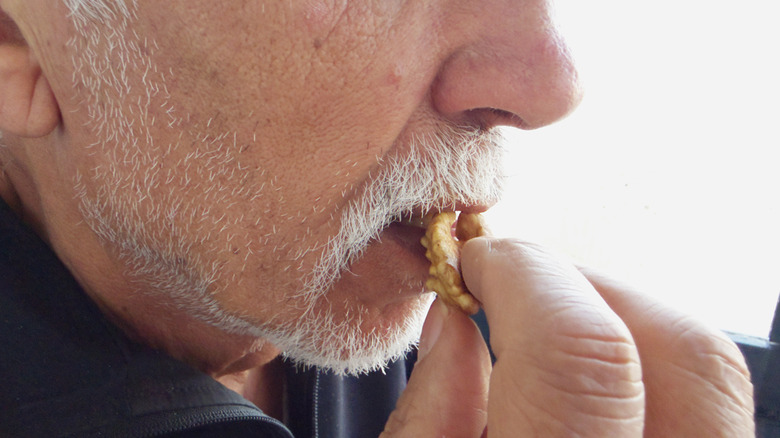
As one of the many types of tree nuts available in the United States, walnuts deserve a nod for their heart-friendly attributes, including the potential ability to lower cholesterol levels. So, what happens if you eat walnuts every day? A 2009 study in The American Journal of Clinical Nutrition showed that after four weeks of eating 42.5 grams of walnuts daily, adults with mildly high cholesterol saw a drop in their "bad" low-density lipoprotein (LDL) levels. This reduction in LDL, along with a decrease in triglycerides and a rise in "good" high-density lipoprotein (HDL) cholesterol, amounted to a nearly 19% drop in cardiovascular disease risk. It's worth noting that cardiovascular disease is the most significant cause of death among baby boomers.
This superfood advantage of walnuts extends beyond just assisting those with high cholesterol; they may also have excellent health benefits for people with diabetes. "Research shows a significant reduction in cardiovascular risk factors in people with diabetes when they're eating at least five [one-ounce] servings of nuts a week," registered dietitian Julia Zumpano said in a Cleveland Clinic interview. Walnuts in particular are known for their high omega-3 fatty acid content, which can help protect against heart disease.
Barley can reduce blood sugar and improve satiety
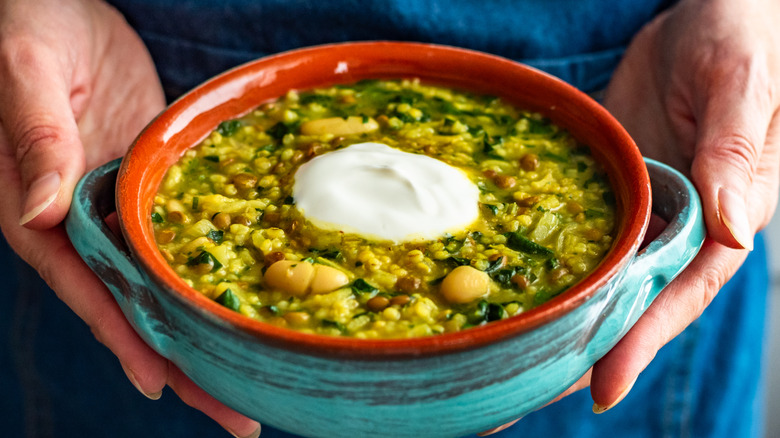
Another underrated superstar of the functional food world is barley. On the glycemic index, barley registers as lower than most other grains, coming in at between 25 and 30. In contrast, millet's comparable rating can be more than twice as high as barley's in some tests. Medical professionals often recommend that people with diabetes eat foods that have a low glycemic index to avoid sugar spikes.
The positive effects of barley on those with diabetes isn't simply hypothetical based on the glycemic index numbers, either. A 2024 study in Nutrients found that adults without blood sugar conditions who ate barley saw a drop in their post-meal blood glucose numbers, thereby making barley a suitable food for people managing their blood sugar levels. Moreover, during the trial, subjects who ate barley felt sated for longer after eating. A 2025 study, also published in Nutrients, came to a similar conclusion after evaluating the satiety rating of barley cereals versus ones made from corn.
Ginger can help with arthritis and may lower elevated blood pressure
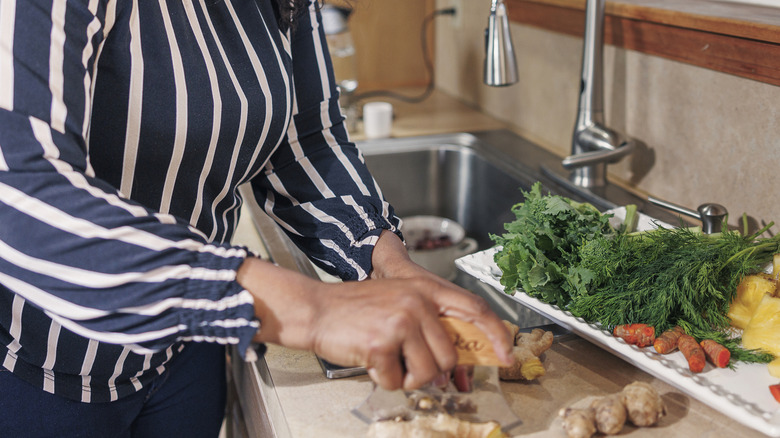
The aches and discomfort of arthritis can make it hard for baby boomers to enjoy exercise and movement. However, adding ginger into the dietary mix might offer boomers a chance to feel more comfortable during active moments.
A 2019 study in the Medical Journal of the Islamic Republic of Iran monitored two groups of patients with arthritis. One group took 1.5 grams of ginger daily, while the other took a placebo. After three years, the ginger-consuming group showed an improvement in their inflammation levels. Likewise, a 2026 review in Phytomedicine Plus on the anti-inflammatory potential of ginger concluded that the herb could be beneficial for those with rheumatoid arthritis.
Incorporating ginger into your diet may also help in keeping your blood pressure from rising. A 2019 review in Phytotherapy Research found that ginger consumption in adults below 50 had favorable effects on overall blood pressure, and a 2025 study published in Jurnal Teknologi dan Manajemen Industri Terapan observed similar health benefits from ginger in adults above 60 who consumed ginger tea over a two-week period.
Chia seeds are packed with crucial nutrients

Chock-full of nutrients, the teeny tiny chia seed offers numerous health-related perks, including a few that may be useful to baby boomers. Take fiber, for example: A 1-ounce serving of chia seeds offers 35% of the recommended daily value of fiber for an adult. Since fiber helps with fullness, incorporating chia seeds into a person's daily meals could help avoid the desire to overeat, which could lead to weight maintenance.
Another upside of eating chia seeds? The potential heart health benefits. A 2019 study in Food & Function found that chia seeds may have blood-pressure-lowering potential because of the calcium and potassium in them; additionally, chia seeds contain healthy oils and fats that may aid in cholesterol level reduction. The fact that they're versatile and easy to prepare also helps: One can easily make an overnight chia seed pudding or add them to oatmeal for a simple yet significant nutritional boost.