

The Most Common Causes Of Death For Royals Throughout History
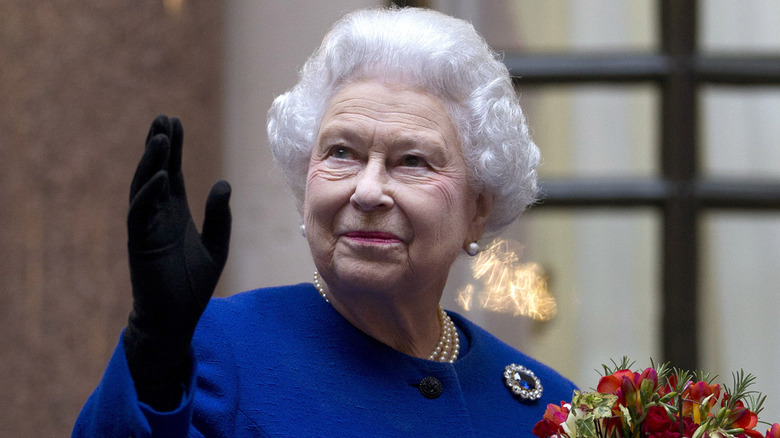
When monarchs die, people around the world take notice, even if they aren't directly affected as royal subjects. For example, in 2022, the death of Queen Elizabeth II brought an estimated one million mourners to pay their respects in a 22-mile procession that lasted for hours (via NBC New York). The official cause of death listed on her death certificate is "old age." Interestingly, it is far from the most prevalent cause of death within the history of the members of the royal family.
A significant number of royals have died of heart disease, the number one killer of adults according to the World Health Organization. Heart disease encompasses a wide range of conditions, including coronary artery disease, heart valve disorders, heart muscle problems, and other issues that affect the efficiency and performance of the cardiovascular system (via WebMD). Since heart disease can be hereditary, it may make sense that some royal lineage is more dotted with heart disease deaths.
Historical records show plenty of British monarchs who died of heart-related conditions. These include George VI, who died of coronary thrombosis (a dangerous clot problem) in 1952; Edward VII, who died of a heart attack in 1910; and Queen Victoria I, who died of cardiac failure in 1901.
Diseases, infections, and non-medical reasons for royal deaths
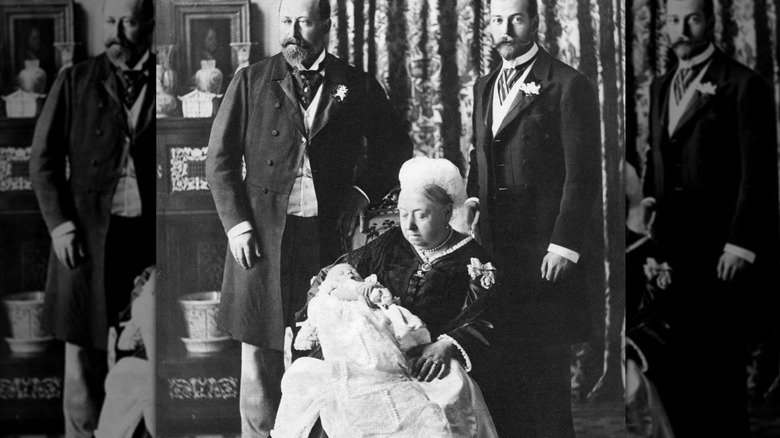
Heart disease hasn't been the only reason for the death of royals. Cancer took or partially took the life of Elizabeth II in 2022, as well as Elizabeth I's in 1603. The same goes for Edward VIII, who died in 1972. Fortunately, many royals have overcome cancer diagnoses. As noted by the New York Post, King Charles III, the Duchess of York Sarah Ferguson, and King Edward VII were all told they had a type of cancer during their lifetimes. And after the Princess of Wales Kate Middleton went through preventative chemotherapy, she's in remission from an undisclosed cancer (via TODAY).
Prior to vaccines, antibiotics, and a host of other medications, royals sometimes died from diseases that would now be treatable. These include Mary II, who died of smallpox, and James I, who died of tuberculosis, both in the 1600s. (Tuberculosis, while still around, can be treated with a combination of drugs, according to the Centers for Disease Control and Prevention (CDC).)
As for royal deaths outside the norm: Charles I was beheaded in 1649, while Richard III died on the battlefield in 1485. Additionally, William II died under suspicious circumstances in 1110: He received a fatal arrow wound that was deemed accidental but may have been a deliberate move to vacate the throne.