

5 Celebrities Who've Spoken Out About Nearly Dying In Childbirth
We may receive a commission on purchases made from links.
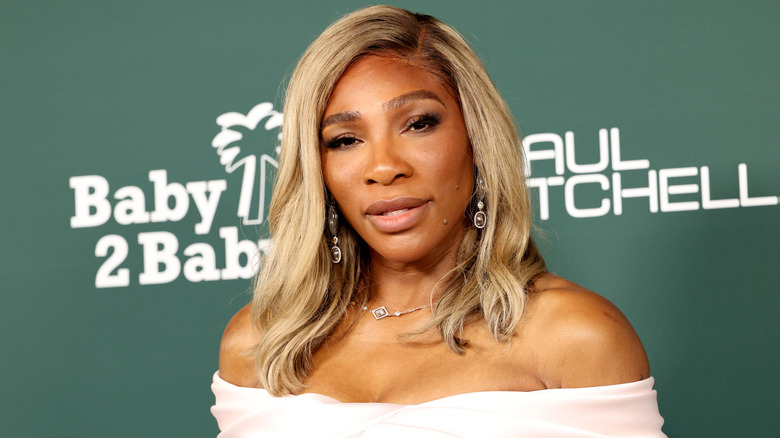
Several celebrities — including Serena Williams, Hayden Panettiere, Christy Turlington, Tori Spelling, and Rachel Griffiths — have opened up about nearly dying during childbirth, highlighting a broader maternal health crisis in America. And, the fact that the U.S. tops the list of nations with the worst health outcomes is evident in maternal mortality statistics. Centers for Disease Control and Prevention (CDC) figures showed that the maternal mortality saw a 93% increase between 2018 and 2022, jumping from 17.4 deaths per 100,000 live births to 33.6. The BBC notes that the 2021 statistic, which showed that 33 women died per 100,000 live births, was nearly twice as much as that of other developed countries like the U.K., Germany, and France.
Joan Costa-i-Font, a professor of health economics at the London School of Economics, told the BBC that only part of that bump could be chalked up to the COVID-19 pandemic since the issues women faced during pregnancy existed well before that time. He went on to explain that on a structural level, the problem could be attributed to ever-rising healthcare costs and socio-economic disparities. "Lower income people in the US find themselves with higher needs, more disease, and less coverage," he explained before adding that Black women were more likely to be affected by all three factors at once.
Moreover, CDC records notably showed that Black women were three times more likely to die during childbirth. Additionally, over 80% of pregnancy deaths are preventable, according to the CDC. It's also worth noting that there is a surprising link between abortion bans and maternal mortality. Although the maternal mortality rate did go down to 16.6 by 2025, the problems that many women face during delivery continued to persist.
Still, the numbers don't tell the full story. So, when celebrities share their harrowing experiences during childbirth, it can bring even further attention to the fact that there are real women behind these sobering statistics. We'll take a look at what these famous women have had to say.
Serena Williams underwent 3 surgeries a week after giving birth
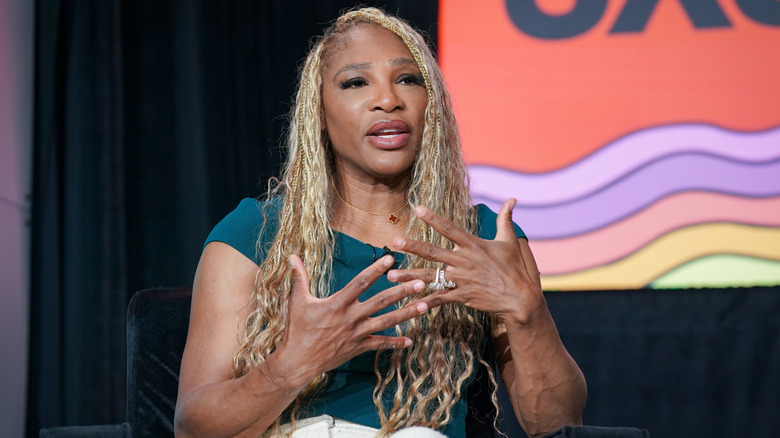
In an April 2022 essay for Elle, Serena Williams shared that she had faced numerous health complications after giving birth to her daughter Olympia in 2017 via C-section. When the tennis legend woke up the morning after she had given birth, she realized she could not feel most of her body and started drifting in and out of consciousness. Still, she recalled how she had questioned the nurse if she required a blood thinner because of her past experiences with blood clots in the lungs.
However, her medical team was wary of starting her on the medication because they feared that it would make her C-section wound bleed. Soon, Williams began coughing so hard that the stitches from the operation opened up. After undergoing a corrective surgery, the tennis legend still wasn't out of the woods. When she awoke from her second surgery, she found herself thinking, "I'm dying, I'm dying. Oh my God." Due to Williams' insistence, doctors let her undergo a CAT scan, which revealed that her coughing and inability to catch her breath were due to a blood clot in her lungs. And so, she underwent her third surgery in a week.
In a February 2018 essay for CNN, Williams shared that although the ordeal was terrifying, she still deemed herself "fortunate" at the end of it because she had access to good doctors, which many women in her shoes don't have. Given Serena Williams' past pregnancy complications, it's unsurprising that she told Glamour in September 2024 that she had four doctors on the line during her second pregnancy.
Hayden Panettiere had to get 7 blood transfusions after giving birth
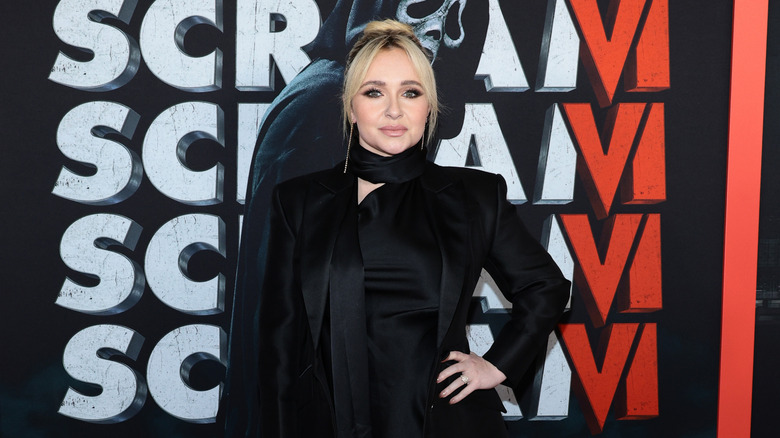
In Hayden Panettiere's 2026 book "This Is Me: A Reckoning," she shared that she had to undergo 14 hours of labor and get a C-section to welcome her daughter Kaya in 2014. Speaking to E! News in May 2026, the "Nashville" alum recalled how she felt during the procedure, admitting, "I was sitting there and getting the C-section, and I knew that I was knocking on death's doorstep." In those scary moments, all Panettiere could think was: "God, please let me hear my daughter cry. I just want to know that she is OK and if it's my time to go, I'm OK with that.'"
Unfortunately, her health struggles didn't end with the C-section. In Panettiere's book, she shared that she had to undergo a three-hour-long surgery shortly afterward because her blood didn't naturally clot during her C-section, and she was at risk of losing a lot of blood. In addition to nursing a fever throughout the procedure, Panettiere also had to receive seven blood transfusions.
To complicate things even further, the "Heroes" actor's uterus had become infected, and the antibiotics that had been administered to her at the time weren't potent enough to significantly reduce her fever. Given all this, it's only natural that she woke up feeling "exhausted, disoriented, and racked with pain." During her E! News interview, Panettiere shared that the whole ordeal washed away her doubts about whether she was prepared for motherhood since she was ready to sacrifice herself without a second thought to ensure her little one's health and happiness.
Christy Turlington's birthing experience transformed her into an activist
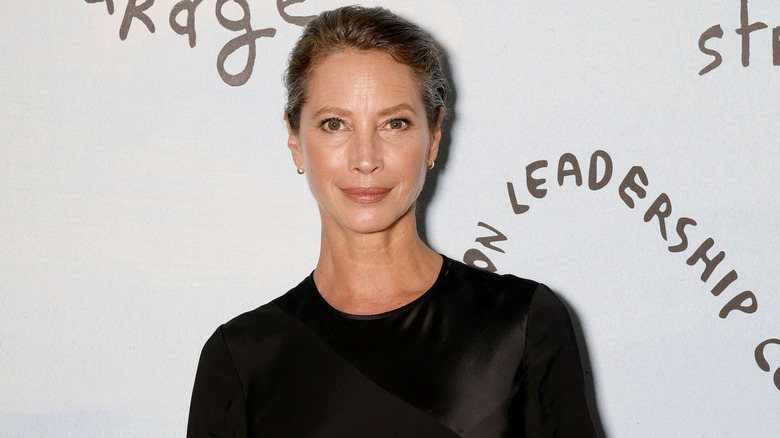
During a May 2017 interview with The Guardian, Christy Turlington shared that she had a near-death experience while giving birth to her daughter, Grace Burns, in 2003. When the model appeared on "Today" in April 2016, she recalled how the happy energy that followed the arrival of her little one faded after only an hour as doctors realized that she had a serious postpartum hemorrhage, which can cause a mother to lose her life within a few hours (via YouTube).
It's worth noting that, in a May 2011 post for Parents (via Today), Turlington wrote that she had chosen to go through the birthing process naturally at a midwifery clinic that had ties to a nearby hospital because she had a lot of negative memories attached to hospitals. While reflecting on her choices, she naturally found herself thinking whether she would have died if she had opted for a home birth. However, Turlington quickly realized that that would never happen since she was lucky enough to live 15 minutes away from a hospital.
Speaking to National Geographic in October 2017, the "Catwalk" star shared that her own experiences helped her realize that many women in her shoes didn't have the same privileges and died due to postpartum complications. So, she did a deep dive into the reasons for these preventable deaths. To bring more attention to the stories of those who had endured postpartum complications, Turlington directed a documentary called "No Woman, No Cry" in 2010. In the same year, she also founded Every Mother Counts, a nonprofit that seeks to solve the issues that women around the world face during the maternity journey.
Tori Spelling faced numerous complications during her 3rd pregnancy
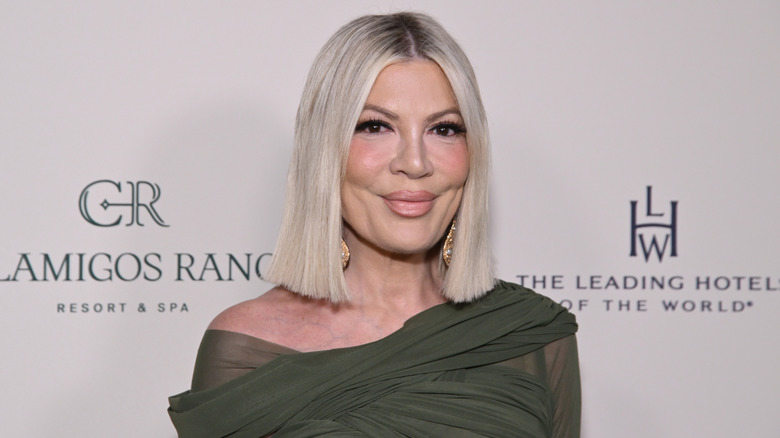
Speaking to People in 2012, Tori Spelling shared that she had been diagnosed with placenta previa, a condition in which the placenta partially or completely blocks the cervix's opening. Mayo Clinic notes that the problem can endanger a mother's life by bringing on heavy bleeding at any point in the maternal journey. When she was around 20 weeks pregnant, she had started facing her third bout of heavy bleeding. The amount of bleeding she was facing at the time was enough to make her lightheaded and also question whether she and her baby would be able to survive it.
After making her way to the hospital, doctors informed her that if she had to undergo surgery to control the bleeding, they would have to prioritize her life because Finn would be unable to survive outside the womb at 20 weeks. Spelling then shared her complicated feelings from the time, saying, "And then it just hit me and I was like, 'Oh my God, not only am I going to lose my baby, but I can't leave my three babies at home — the ones who are already here.'" Although the doctors were able to solve the bleeding without major complications, Spelling was still ordered to remain in the hospital for 10 weeks and be on bed rest for months afterward.
Her struggles didn't end after welcoming her son in August 2012. In September 2012, Spelling's spokesperson confirmed to Us Weekly that she had undergone emergency surgery weeks after giving birth owing to "complications from her C-section." In her People interview, she shared that her C-section stitches had burst open so badly that her intestines were visible.
Rachel Griffiths' near-death experience during childbirth shifted her perspective on life
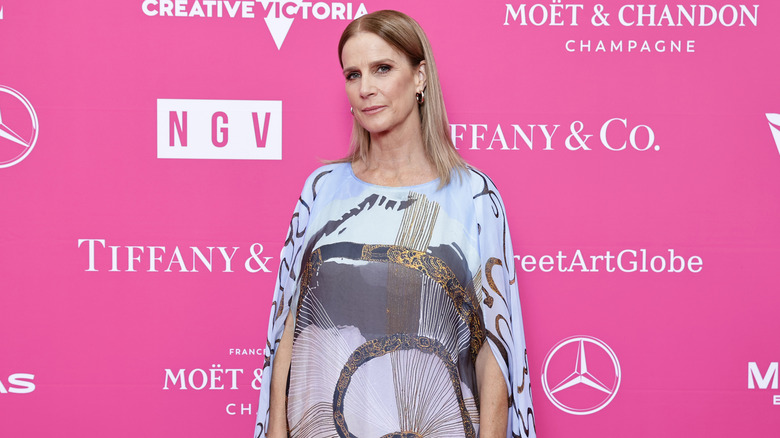
Speaking to The Sydney Morning Herald in January 2025, Rachel Griffiths shared that she medically died while giving birth to her daughter, Clementine, in 2009. In a December 2016 interview with Marie Claire, the "Brothers & Sisters" star said she went into the hospital expecting a swift labor because it had only taken her around 90 minutes to welcome her second child, Adelaide. However, when she was in the middle of labor, she felt an intense pain and was unable to continue pushing.
Some of Griffith's last memories from the delivery included hearing her daughter wasn't breathing after her arrival and knowing that she was bleeding out. Soon, she was rushed into surgery that lasted 24 hours. However, her bleeding resumed shortly after she was out of the operating room, and she subsequently had to undergo more surgeries over 48 hours.
Later, she would learn that she had a uterine rupture during the delivery, but her daughter was just fine. During her interview with The Sydney Morning Herald, the Australian actor said one of the main reasons she was glad she had pulled through her health struggles was that it prevented her children from grieving her, especially Clementine, who would have had to grieve for her on her birthday. Speaking to News.com.au in June 2014, Griffiths shared that her near-death experience reframed her perspective on life, saying, "You're aware of your mortality and the mortality of your parents and the people you love ... (and want) to make sure you have time to enjoy as much of your children's lives as you can."