

Are Millennials Aging Faster Than Boomers?

In some ways, the younger generation is actually older than its predecessors. Or at least, that's what a 2026 study in Nature Medicine found. After analyzing data from 164,000 people in the United Kingdom and the United States, researchers found that millennials and Gen Z had a bigger gap between their biological age and chronological age compared to baby boomers. In a chat with Cleveland Clinic, family medicine provider Saadia Hussain, MD, explained the difference between the two terms, noting, "Your chronological age — how long you've been alive — is not as strong a predictor of health as you might think," she continued. "Your biological age is a more accurate measure of how fast your cells, tissues and organs are aging."
Biological age is measured using several markers, including DNA methylation, blood sugar levels, blood pressure, cholesterol levels, heart rate, height, and weight. Since millennials had a higher degree of biological age in some organs, they faced an increased risk of early onset of lung cancer and colorectal cancer.
Notably, a 2025 study in Deutsche Medizinische Wochenschrift found that millennials were up to two times more likely to develop 17 out of the 34 most common cancers in comparison to baby boomers at any age. Additionally, the Nature Medicine study found that the main reasons for early biological aging were diets lacking in nutrient-rich food, a sedentary lifestyle, and a haphazard sleep schedule. Speaking with Men's Health Magazine, geneticist Steve Horvath, PhD, explained that a few basic lifestyle changes could reduce biological age "by just a couple of years" and not decades.
Studies have hinted that the secret to slowing down biological aging is simple
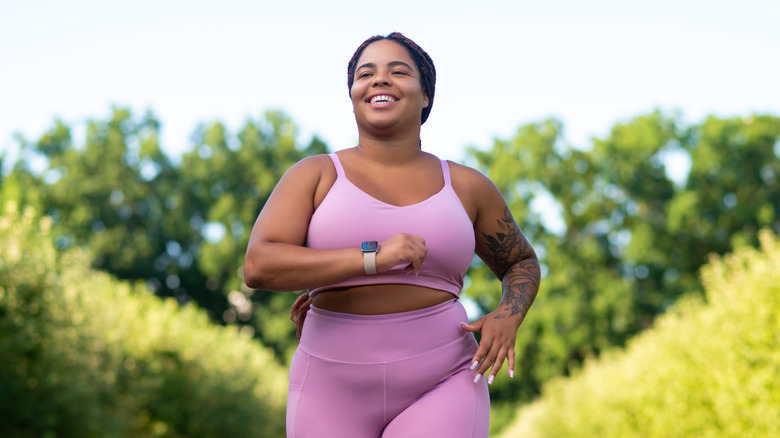
Chatting with the National Institutes of Health, Dr. Daniel Belsky, who studies aging at the Columbia Mailman School of Public Health, shared one lifestyle change that could reduce the biological clock, saying, "Physical activity is the closest thing to a fountain of youth that we know of." Luigi Ferrucci, the scientific director of NIH's National Institute on Aging (NIA), similarly confirmed that regular exercise could greatly help in slowing down the biological clock.
Moreover, a 2025 research perspective published in Aging noted that "planned, structured, and repetitive" as well as cardio-centric exercises could help with biological aging. It also pointed out that a study had found that sedentary middle-aged women experienced a two-year drop in their biological age after aerobic and strength training for only eight weeks. Some studies also found that exercising regularly could help reduce the aging of vital organs (like the heart and the liver) as well as fat tissue.
Unsurprisingly, another basic lifestyle change that could help slow down epigenetic aging is a nutrient-rich diet. While there are countless routes to go down, consultant oncologist Dr. Andy Gaya told Newsweek that a Mediterranean diet could prove helpful for biological aging. After detailing foods that you should stick to if you're on a Mediterranean diet, including vegetables, legumes, oily fish, and olive oil, he pointed to clinical trials that had shown how following a Mediterranean lifestyle could help you live longer and reduce biological aging by one to three years in months. And if that wasn't good enough already, the Mediterranean diet could also protect you from Alzheimer's.