

Do We Have Bathroom Cleanliness All Wrong? The US Hygiene Habit That Stumps The World
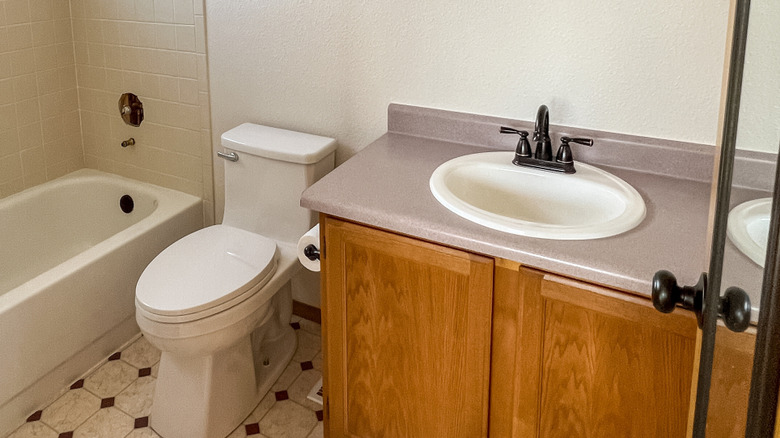
An impressive 99% of Americans say they value cleanliness, at least according to a 2018 Ipsos poll. However, people from other countries tend to raise their eyebrows at one American hygiene habit that stumps the world because it doesn't seem to lean toward clean. It's the use of toilet paper to wipe away unwanted (and odorous) particle matter after using the commode, which Ipsos found that 96% said they do.
To be sure, the novelty of wiping down this way isn't because of the toilet paper itself. After all, toilet paper can be found across the globe. Indeed, ever since the mass production of toilet paper sans splinters in the early 20th century, it's become a mainstay in public restrooms, private residences, and even portable potties. Notably, the French have a penchant for pink toilet paper – an interesting fact, considering how colored toilet paper was something everyone had in their bathrooms in the '60s.
The actual issue is that when toilet paper is used on its own without any assistive products or practices, it may not get the job done thoroughly. To fully understand the validity of the international argument against only using toilet paper (especially after a bowel movement), you may need a refresher on how toilet paper works, as well as its inherent limitations.
Upsides and downsides of dry wiping on the toilet
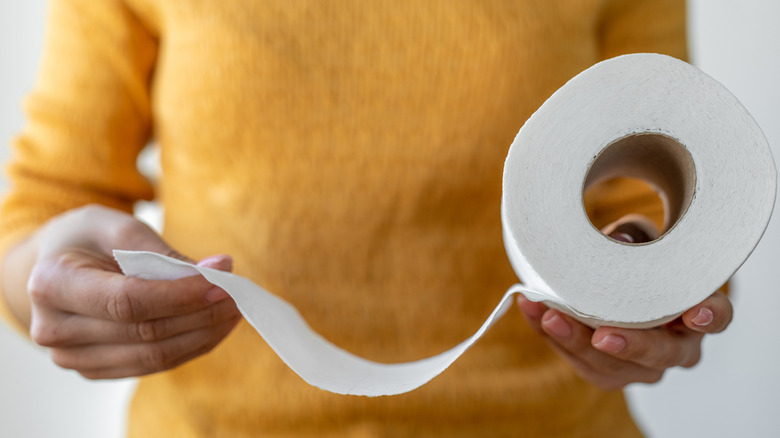
Dry toilet paper is porous and draws in moisture. This allows it to absorb liquid substances fairly well without additional rubbing. However, dry toilet paper requires friction to remove particles like fecal matter from the skin. Consequently, it can be hard on the gentle and tender folds in and around the pubic area. Additionally, it may not completely wipe the skin clean, leaving some residue behind.
Because the remaining residue naturally includes human waste, it also contains bacteria. In most scenarios, the bacteria is going to be more of a nuisance that causes smells or stains on underwear rather than being a true health problem. But it's possible for some bacteria to make its way into the body and potentially lead to skin irritation or infections like urinary tract infections, particularly in someone with open wounds around the genitals. It's also worth noting that rubbing with toilet paper can cause genital skin to tear. Lastly, because of its tendency to disintegrate when wet, it can even interfere with the healing process of existing wounds.
Alternatives to solely trusting toilet paper for a fresh clean
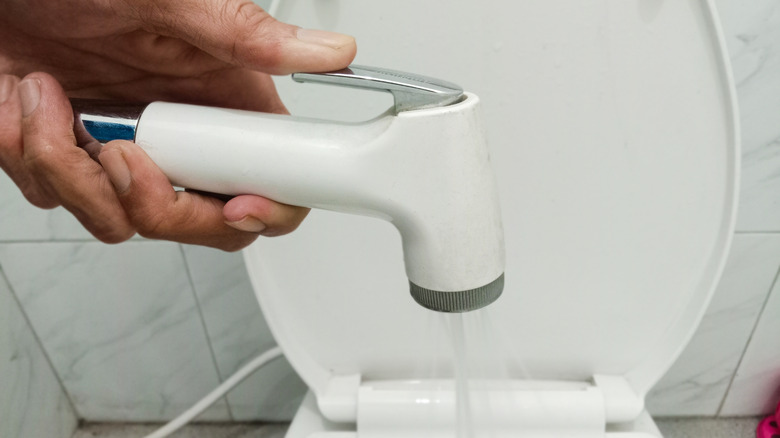
If all this toilet paper talk is starting to sound gross or concerning, you'll understand why people around the world wash their genitals with at least water after going to the bathroom. From their perspective, the simplest way to clean oneself after a potty break is by using a bidet.
To be sure, many argue that bidets are better for butt health. The discussion may explain why, in recent times, this particular hygiene habit has seen a surge in popularity in the U.S. However, you don't necessarily have to buy a separate bidet installation for your bathroom. Nowadays, you can buy a bidet attachment, which can turn any regular toilet into a functional bidet.
Another option to be more thorough is to gently remove residue with an unscented wet wipe. Take note, though, that not all wet wipes are biodegradable or flushable, so they're not exactly what you can call eco-friendly. With that said, using non-recycled toilet paper can have a negative impact on the environment as well. Ultimately, it's up to you to decide which method makes your privates feel best — though if you stick to toilet paper, experts suggest going for the uncolored, unscented variety.