

Everyone Had This In Their Bathroom In The '60s — Now We Know It's A Health Red Flag
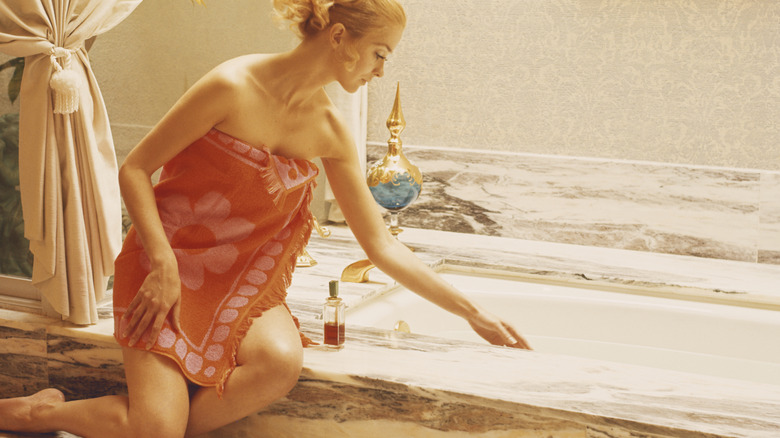
Believe it or not, Kris Jenner has a strange connection to a bathroom trend of the 1960s that faded out of favor by the 1980s. Specifically, Jenner coordinates all the items in her bathroom, which is decorated in black, including the toilet paper. There's none of the white stuff for Jenner; in fact, her daughter, Kim Kardashian, once complained that she couldn't see herself staying at her mom's house temporarily because "the toilet paper's black" (via Us Weekly).
Today, purchasing black toilet paper (or even finding it anywhere) might seem pretty weird. However, colored toilet paper (especially the pastel variety) was all the rage in the 1960s, as noted by commenters who responded to a Facebook question about what people remembered seeing in their bathrooms more than 50 years ago.
If the idea of buying pink, green, blue, or light-purple toilet paper sounds fun, you might wonder why it went by the wayside. It turns out there were a few reasons for the disappearance of brightly hued TP, including worries that the paper might cause some physical harm to users.
Concerns over chemical irritants in colored toilet paper
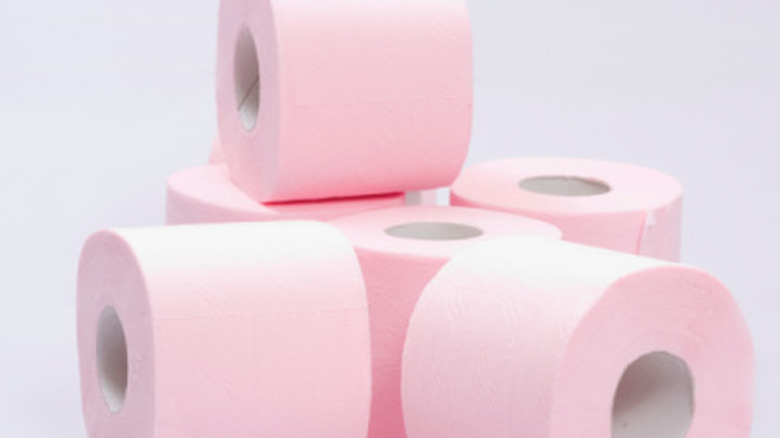
The main health concern related to colored toilet paper stems from the dyes used during the manufacturing process. According to a YouTube video from Bright Side, dyes weren't very regulated in the 1960s, and contact with certain dyes can cause dermatological irritation for some people. Take the basic dyes that are preferred for coloring textiles and paper items, for instance. While they can produce vibrant and reliable shades, the dyes may also lead to topical skin reactions. Basic dyes are even one of the numerous types of dyes connected with textile dye allergies.
Of course, if you're sensitive to any types of dyes or fragrances, you may experience unpleasant symptoms like a rash or itchiness after using plain white toilet paper as well. Always check with a doctor with knowledge of the various types of skin rashes to find out the exact cause of your discomfort.
According to the Asthma and Allergy Foundation of America, any brand of toilet paper could be irritating. A 2010 article in Canadian Family Physician discussed the case of a woman who reported genital itching and mild pain after using one type of toilet paper. When she reverted to a different kind, her issues subsided. In other words, it's not inconceivable that colored toilet paper might have been attractive but unhealthy for certain people. For similar reasons, you may want to avoid scented toilet paper, too.
Other problems with colorful toilet paper
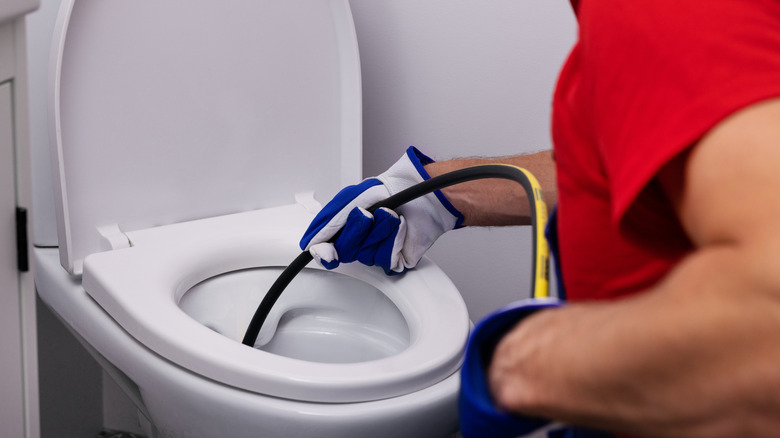
Health conversations aside, colored toilet paper may have also caused environmental troubles. A 2010 article in Water, Air, & Soil Pollution discussed the urgency of finding ways to speed up the biodegradation of synthetic dyes. Brightly hued toilet paper may also clump up more in pipes and sewers, earning it low marks from plumbers. Unsurprisingly, though colored toilet paper used to be all the rage, it fell out of favor as people became more environmentally conscious.
A final reason for the end of attractive toilet paper was a societal move away from colorful bathrooms with matching appliances in pink, blue, green, and yellow. By the 1980s, bathrooms began to be outfitted with white appliances, and toilet paper followed suit. That said, modern designers seem to be moving toward accentuating their neutral bathrooms with soft colors like greens and blues in 2026. Could a healthier colored TP make a comeback as well?
If you're still yearning for colorful toilet paper, you can purchase it online. Interestingly, if you're traveling to France for a dream vacation getaway, you'll likely see a lot of pink TP when you do your business. Oh, and if you're wondering, you can read about what people used before toilet paper was invented.