

Everyone Does It, But Here's Why You Shouldn't Normalize Impulse Purchase Behavior

As Ramsey explains, impulse shopping is simply making purchases that you weren't intending to. And it's quite common in the United States. They cite 2020-2023 data from Statista indicating that the average American makes $150 in impulse buys every month. This can add up quickly, they say, totalling a whopping $108,000 over a person's lifetime.
Also, it's important to note that retailers are not necessarily on our side when it comes to those unplanned acquisitions. In fact, Fit Small Business tells businesses that over 44% of buyers will later feel regret after an impulse purchase. They suggest that sellers consider offering discounts, adjusting ad campaigns, and remaining available for questions about the product's use after the purchase, which they say can help soften the blow.
If you're looking to remain within your budget, clearly impulse purchases are a problem. But why do we do it in the first place?
Why people make impulse purchases

A 2021 study published in Frontiers in Psychology examined why people make impulse purchases. The authors found that the reasons were complex. People might respond to advertising and promotions designed to influence their perception of or desire for the product. Product layouts, the atmosphere of the store, and sensory experiences could also trigger individuals to buy. Consumers might also make unplanned purchases because they want immediate gratification or wish to reduce negative emotions associated with self-esteem, stress, or mood.
Research has also found that people tend to do more impulse buying in physical stores since sensory cues are stronger than online. It has further found that poor self-control or a tendency toward compulsive behavior are linked to impulsive purchasing decisions.
How to limit impulse purchases
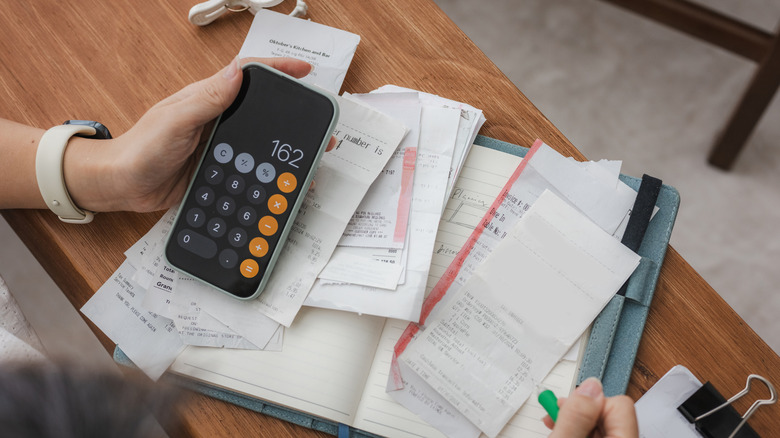
Truist advises that the first step in preventing impulse buying is being aware of the problem and preparing for it. Create a budget and a shopping list when you go out, so that each item you buy is something you have intentionally chosen. If need be, delete shopping apps and disconnect payment methods if they will tempt you to stray from your plans.
They also encourage pausing before buying. Take a day or two, they suggest, to decide if the purchase is really worth it. You can also use cash rather than credit, so that you aren't tempted to go over a set limit. Also, keep in mind that it's not a good deal if you really can't afford it.
Finally, Truist says to practice self-compassion. Approach your finances with the goal of being consistent and mindful (you can also benefit from incorporating mindfulness into other aspects of your life, such as your workout routine). If you want a degree of freedom when it comes to impulse purchases, build an amount into your budget for splurges. This way, those occasional indulgences are actually a planned part of your spending.