
5 Celebs Who Have Been Open About Their Postpartum Mental Health Issues
Pregnancy can be scary, as can parenthood. It's a step into a new chapter in life that leaves a permanent change. For mothers, this change comes with transitions to their bodies as well as their lifestyles. After giving birth, a mother can experience what is called postpartum. While often limited to the idea of postpartum bodies, the term references the first 6 to 8 weeks after childbirth.
Post-childbirth, a woman may feel saturated in hormones and even drained of emotional strength due to the intensity of childbirth and biological response to pregnancy. All of these may lead to mental health conditions for new mothers, often with feelings of depression and anxiety taking the forefront of the emotional response.
To create community and visibility for this subject is crucial to helping mothers receive proper care, better treatment, and hope for recovery. Some celebrities have taken up the mantle of representation for postpartum mental health conditions. Speaking candidly and honestly about their personal experiences with childbirth and postpartum, they have stripped back the layer of shame and embarrassment that hides mental health conditions to encourage conversation.
If you or someone you know needs help with mental health, please contact the Crisis Text Line by texting HOME to 741741, call the National Alliance on Mental Illness helpline at 1-800-950-NAMI (6264), or visit the National Institute of Mental Health website.
Kylie Kelce
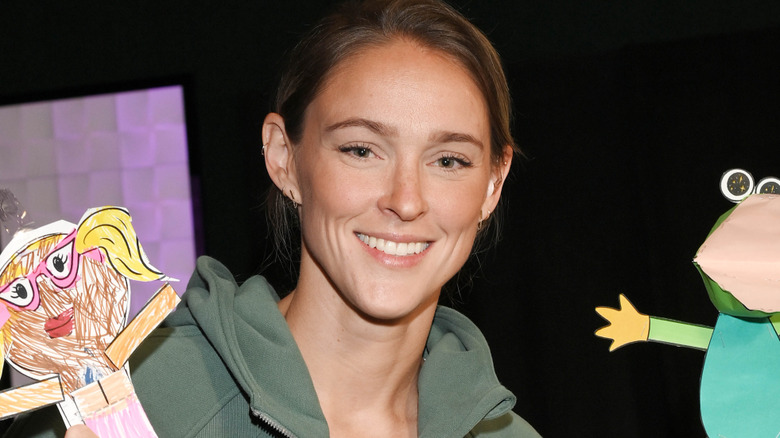
Kylie Kelce, host of the "Not Gonna Lie with Kylie Kelce" podcast, has been brutally honest about the challenges, highlights, and surprises of being a parent to four young girls. It's this honesty that led her to open up to Allison Kuch of the "Sunday Sports Club" podcast about her mental health experiences following childbirth.
Though she was not officially diagnosed with postpartum depression or any other mental health condition, Kelce explained to Kuch, "I have had periods of my life where I truly believe I was experiencing postpartum." After giving birth to her eldest daughter, Wyatt, Kelce recalled, "I know with Wyatt that I had severe baby blues. We left the hospital, and I was like, "So you're telling me this is mine?'"
After welcoming her fourth daughter, Kelce shared that motherhood had brought on intense periods of difficult feelings that she had to come to terms with. "You can have these thoughts and feelings, you can have these anxious moments, you can have this rage, experience this range of emotion, or even a step further, an actual mood disorder postpartum," she said on an April 2025 episode of her podcast. "But you can still love your child and be happy that your child is here and be happy to be a mother and to be grateful for the experience."
Cardi B
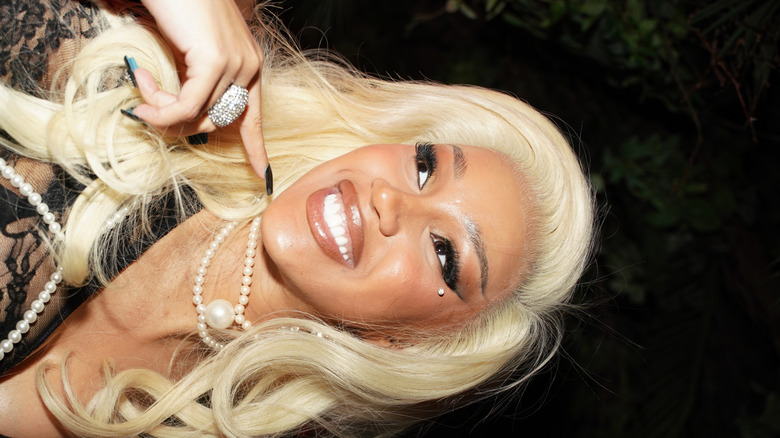
Cardi B is a proud mother of four and a successful rapper who has taken the music industry by storm. Her candid way of speaking and individuality have made her an outspoken and powerful voice both in music and online.
In September 2024, she posted on X about a serious experience she'd been living through post childbirth. The "Black and Yellow" rapper revealed that she had experienced an onset of overwhelming feelings of depression that followed the birth of her third child. With two toddlers and now a newborn to care for, the rapper opted for a healthy habit to deal with the feelings that washed over her. Exercise, a valuable tool in boosting your mental health, was Cardi's go-to solution.
In her post, she talked about working out again after giving birth. "I'm not doing heaving lifting, no muscle straining, squatting none of that... just cardio," the "I Like It" singer shared, adding, "Sometimes to avoid postpartum depression you gotta keep your mind busy and for me that's work and staying active."
Princess Diana
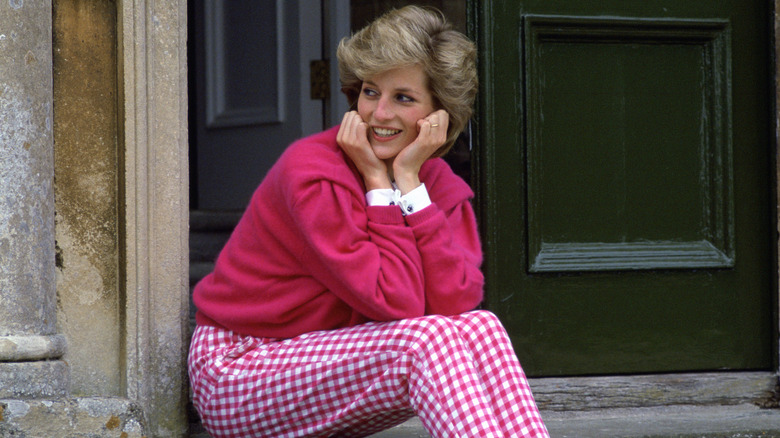
It wasn't until 10 years after Diana, the Princess of Wales, gave birth to her eldest son, Prince William, that her challenges with postpartum were revealed. After working with biographer Andrew Morton, the beloved royal's intimate personal details were published in his book, "Diana: Her True Story."
In a section of the book detailing the princess's life after becoming a mother, Diana noted her immediate struggles post-hospital stay. "Came home and then postnatal depression hit me hard and it wasn't so much the baby that had produced it, it was the baby that triggered off all else that was going on in my mind," she told the writer (via People). Diana also shared that she felt completely out of control. With her life under such a large scale of media coverage and the straining restrictions of British royalty tradition, Diana did not have much privacy in the early days of her son's life.
Diana further detailed great feelings of panic and worry that would send her into panic attacks. Deep-seated emotions of terror would sit in the princess's stomach and send her into tears, noting specifically having these feelings toward her husband's schedule. Whenever his work prevented him from coming home promptly, she'd become emotional at the thought of what could be stopping him from returning to her.
Brooke Shields
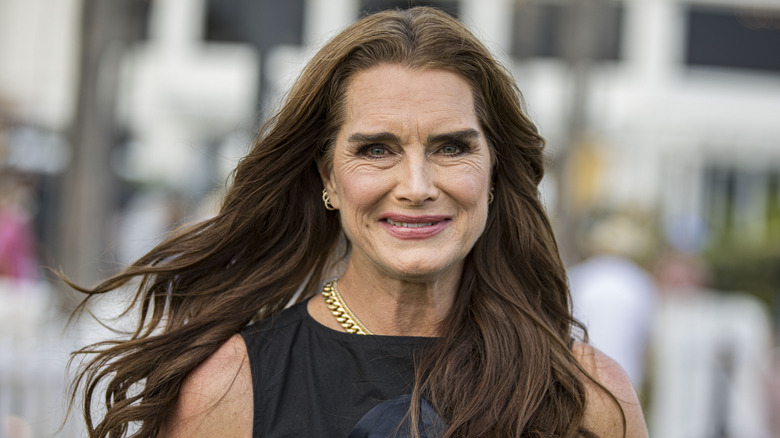
Brooke Shields released a tell-all documentary in 2023 called "Pretty Baby." The docuseries delved into the darker sides of Shields' long career in front of the camera, while also offering fans the opportunity to see the star behind closed doors. And in one of these closed-door moments, the actor revealed an emotional response to childbirth.
She's been outspoken on this subject, including the period in her autobiography as well as in her documentary. Her desire to be a voice for postpartum mental health comes from the actor's own feeling of loneliness when she came face-to-face with depression following her first child. Shields revealed in an interview with WXII 12 News that her mental health condition was "obliterating," making her unable to even comfort her newborn during the early days of motherhood.
Following the series' premiere, Shields' own husband brought up a point of concern: their daughter. Due to the complicated feelings brought on by postpartum depression, it can cause a feeling of guilt in the child. Shields refused to remove the scene, but instead spoke to her daughter, Rowan, about the period in the actor's life. "But women need to hear this," Shields told Glamour. "They need to know, because it's scary."
Reese Witherspoon
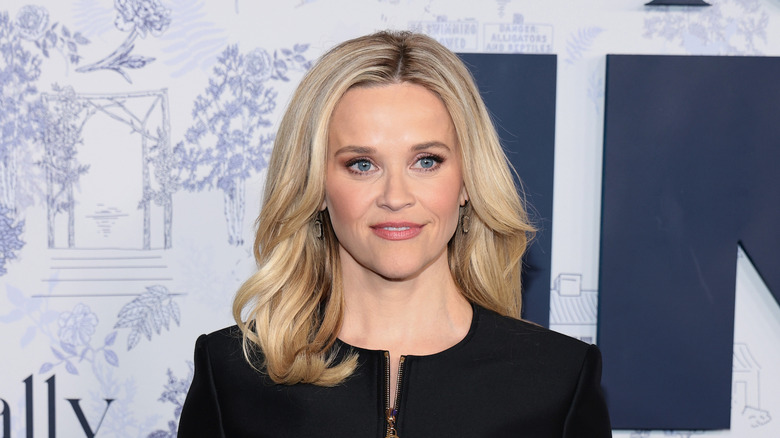
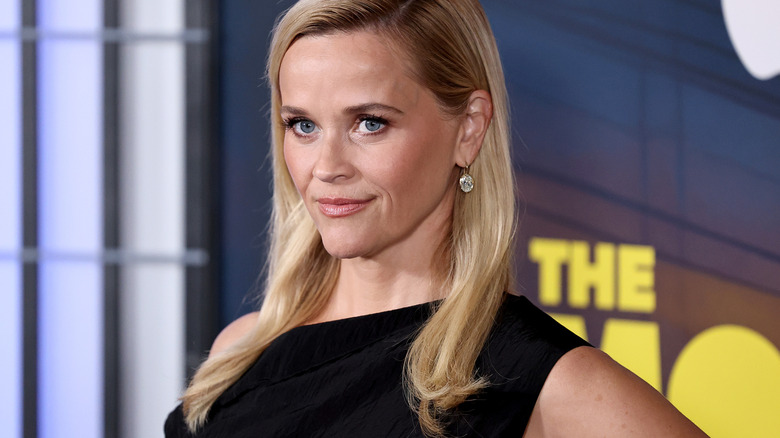
"I was 23 years old when I had my first baby and nobody explained to me that when you wean a baby, your hormones go into the toilet," Reese Witherspoon told Jameela Jamil on "I Weigh," the latter's podcast. "I felt more depressed than I'd ever felt in my whole life. It was scary."
Witherspoon also highlighted the inconsistency of postpartum, using her experiences with her three children as examples. "One kid I had kind of mild postpartum, and one kid I had severe postpartum where I had to take pretty heavy medication because I just wasn't thinking straight at all." The "Legally Blonde" actor faced an unknowingness when her pregnancy neared her due date. After managing postpartum following her daughter's birth, the weight of postpartum depression hung in the air as she readied to welcome her children.
The candidness of her response validated a nigh-universal experience shared by women, and drew attention to the powerful impact medication can have on mental health. Prescription responses to mental health conditions are typically stigmatized, preventing affected individuals from seeking treatment.