

Should Older People Get More Sleep? Donald Trump's Five Hours Of Shut-Eye May Be Problematic
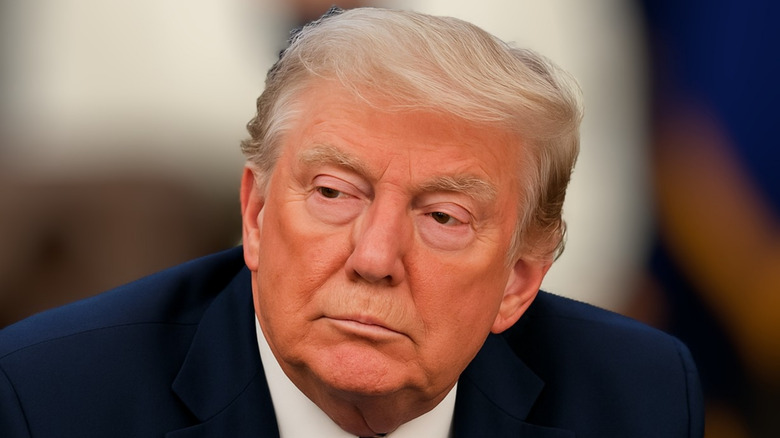
As an article in New York Magazine reveals, President Donald Trump's health has raised numerous concerns during his first year back in the Oval Office, including worries about his sleeping habits. Photographers have often caught the president napping during meetings. The write-up further notes that Trump continues to maintain a hectic schedule, often staying up all night, such as when Venezuelan President Maduro was captured. He is also notorious for remaining awake during long-distance flights, even while his team seeks to hide from him lest he need someone to chat with when they'd prefer to catch some Zs.
Yet, the politician himself says he doesn't need much sleep. "I think five hours is plenty," he told the interviewer. "I find that when I'm really enjoying myself, I sleep less." His staff, however, thinks differently. "He will collapse," a senior staff member said, referring to his frequent need for naps on weekends.
So, what's the truth? Is Trump correct that he can keep up with this frantic pace, eschewing all but the minimal amount of sleep, or should a man of his age slow down a bit and get a bit more quality shut-eye?
How growing older affects your sleep
The National Institute on Aging (NIA) explains that people tend to develop a different sleep pattern as they grow older, falling asleep earlier and waking up earlier than they once did. They also tend to have poorer sleep quality, spending less time in each type of sleep, especially the deep, non-REM sleep that is needed for you feel well-rested the next morning. Older individuals may also find themselves waking up more during the night.
The NIA further writes that they are more likely to have factors such as medications, medical conditions, mental health disorders, and pain that affect sleep quality. Additionally, older people are more prone to sleep disorders such as insomnia, sleep apnea, and restless legs syndrome.
One thing they don't do, however, is require less sleep. The NIA says that the amount of sleep older adults need is the same as that of younger people: around seven to nine hours per night.
Avoiding health problems linked with poor sleep
If Trump is getting only five hours of snoozetime, then his sleep habits probably aren't doing his health any favors. Speaking to UT Southwestern Medical Center, Deborah Freeland, M.D., an Assistant Professor of Internal Medicine, as well as a member of the Division of Geriatric Medicine, said that poor sleep can contribute to a whole host of health problems, including high blood pressure, obesity, stroke, heart attack, diabetes, cognitive problems, and increased risk of death.
If you are experiencing sleep difficulties, they advise seeing your doctor for an evaluation. They can determine if you have a treatable cause that is interfering with your sleep or make changes in your medication regimen if that's the source of the problem. UT Southwestern adds that melatonin is a safe, over-the-counter sleep aid. However, drugs like diphenhydramine are best avoided due to side effects such as confusion, falls, memory problems, constipation, and dry mouth. There is also evidence linking its use to an increased risk for dementia.