

3 Celebrities Who Faced Colorectal Cancer
According to the MD Anderson Cancer Center, colorectal cancer is abnormal cell growth that occurs in the colon or rectum, the last portions of the digestive tract through which waste travels before exiting the body via the anus. They note that, as of 2018, over 150,000 Americans were being diagnosed with this disease each year, with about 65% of people surviving for five years after diagnosis.
Among the signs of colorectal cancer are changes in bowel habits, pain during bowel movements, bloating, rectal bleeding, fatigue, and weight loss. However, it is essential to have regular screenings before symptoms develop in order to prevent the disease or catch it early so that treatment is most effective. The American Cancer Society advises beginning screenings at age 45, either through colonoscopy or a stool-based test, depending on what your doctor advises.
A number of celebrities have dealt with colorectal cancer over the years, including actors such as Catherine O'Hara, Sharon Osbourne, and James Van Der Beek. We'll take a look at how it affected these stars, as well as what we can learn from their experiences.
Catherine O'Hara's death highlighted the stigma around colorectal cancer
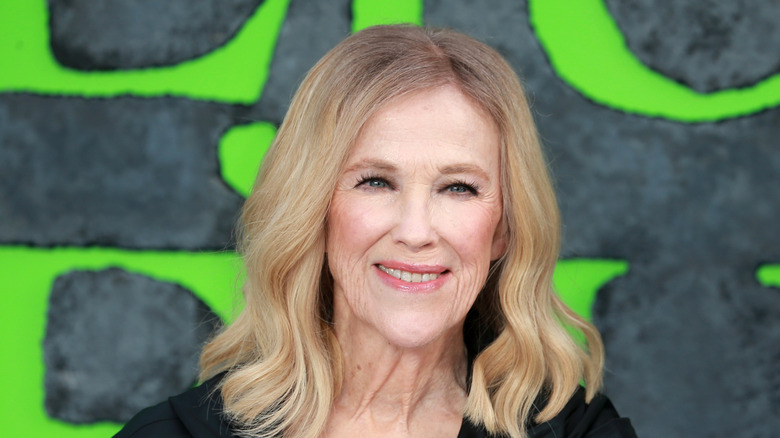
Actress Catherine O'Hara, who was best known for her roles in "Schitt's Creek," "Home Alone," and "Beetlejuice," died January 30, 2026, after experiencing problems breathing. The cause of death was pulmonary embolism related to colorectal cancer.
O'Hara kept her diagnosis private prior to her passing, with it only being revealed on her death certificate. However, she had reportedly been in treatment since March 2025 (via OurCancerStories).
The actress' reticence in speaking about the disease is now inspiring others to be more open. Mary De Vera, a 10-year cancer survivor, told CTV News that she is seeing advocacy organizations in both the U.S. and Canada using O'Hara's death as a springboard for opening up a dialogue about this illness.
"It's a cancer below the waist and any time you have that, there is that shame and stigma and taboo," she noted. "I remember when I was diagnosed, I was 36, and I immediately felt like, 'Oh my gosh, of all the cancers, why did I have to have one that's, you know, embarrassing?" she told The Canadian Press (via CTV News).
Sharon Osbourne launched a foundation to support colorectal cancer patients
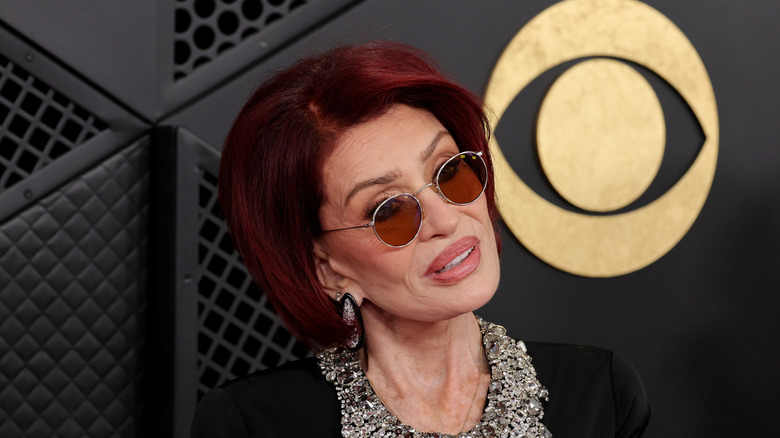
When Sharon Osbourne, wife of the late heavy metal rocker Ozzy Osbourne, was first diagnosed with stage 3 colon cancer in 2002, she said it was "worse than you can imagine" (via Personal Health News). Explaining that the cancer had spread to her lymph nodes, she added that she had immediate surgery to remove two feet of her gastrointestinal tract, as well as going through eight months of chemotherapy.
However, when interviewed 10 years later, she credited her survival to early detection, saying, "Life is a gift. Don't take it for granted." And she has continued to demonstrate that gratitude through her public speaking and advocacy work. Early on, during the second season of the family's reality show, "The Osbournes," she allowed her treatment journey to be filmed, as well as participating in public service announcements promoting early detection. She also created the Sharon Osbourne Colon Cancer Program at Cedars-Sinai Medical Center to help provide patient resources and raise awareness. (per OncoDaily).
James Van Der Beek was a strong advocate for colorectal cancer screening
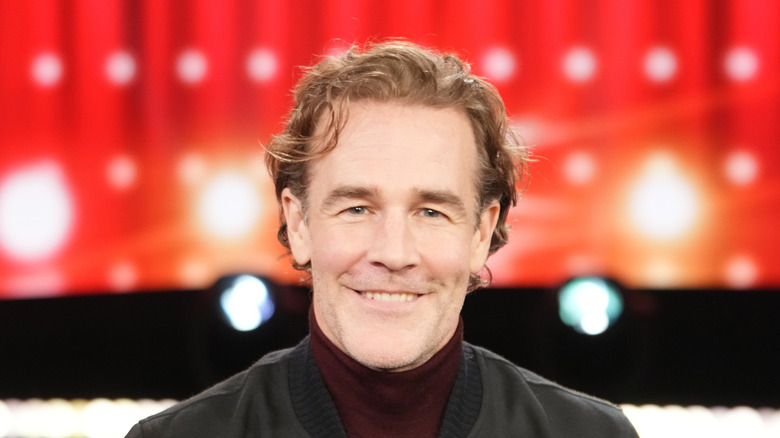
James Van Der Beek, who perhaps most famously played aspiring filmmaker Dawson Leery in the teen drama "Dawson's Creek," passed away from colorectal cancer on February 12, 2026. The actor was 48 (via Instagram).
In the months leading up to his death, Van Der Beek did an interview with "Today," in which he discussed how he came to be diagnosed with the disease (via People). He told the program that he first saw a doctor for a colonoscopy in 2023 because he had experienced changes in his bowel movements and sensed that something was "off." This led to his being diagnosed with stage 3 colorectal cancer.
As a result of his experiences, Van Der Beek became an advocate for the value of early screening. As highlighted in the Journal of Medicine and Life, screening is an important tool in reducing your risk of dying from colorectal cancer. Early detection and treatment can improve outcomes.