

Outdated Boomer Diet Cliches That Millennials Absolutely Can't Stand

To say that Baby Boomers and Millennials have vastly different views on food and nutrition would be a major understatement. A 2024 survey conducted by Protein Works showed that when Baby Boomers and Gen X were grocery shopping, their top priorities were finding affordable and tasty options. Those two groups were also the least likely to think about how their food choices affected their well-being. This data tracks with a generation that grew up at a time when frozen and canned food was the norm, and information about nutrition was limited.
On the other hand, the survey showed that when an older Millennial was out on their grocery run, they were more likely to seek foods that fit their nutrition and caloric goals, as well as options that met their dietary preferences, such as dairy-free or gluten-free alternatives. Since the majority of the older Millennials grew up at a time when diet culture messaging was particularly loud, it's unsurprising that they were the most worried about their caloric intake.
Many Millennials were also raised by Baby Boomers, so they ended up carrying over some of the most popular dieting trends from the generation. Weight Watchers, calorie-counting, intermittent fasting, low-carb diets, and the cabbage soup diet remained a part of the conversation across the generations of Baby Boomers and older and younger Millennials, but to varying degrees.
Interestingly, Millennials labeled certain foods as "unhealthy" because they believed they might lead to weight gain, while Boomers thought the term was better suited for food that could lead to health issues in the long run. With all these differing views, it's unsurprising that there are plenty of Boomer dieting cliches that truly get under the Millennial generation's skin.
The younger generation doesn't like to be told that they need to clean their plates

Many Millennials have vivid recollections of their Boomer relatives telling them they needed to clean up everything on their plate. If they dared to refuse to eat past the point of their fullness, they had to tolerate being called selfish or ungrateful. To no one's surprise, that mentality hasn't served anybody well in the long run.
One study published in Obesity in 2016 found that people who frequently cleared their plates had a greater tendency to have obesity. When Alissa Rumsey, RD, spoke to Self in January 2017, she similarly professed that plate-cleaning could lead to a habit of overeating. "Cleaning your plate sets you up for using external cues as opposed to internal cues for figuring out what's an appropriate amount of food for you," Rumsey explained. "If you're used to feeling like you have to clean your plate, on a subconscious level, you might ignore those internal cues that you're full."
Karen Ansel, MS, RDN, additionally pointed out to Self that polishing off your plate was especially harmful because the average plate size has increased by two inches since 1980 in a possible bid to get people to eat more. On the other hand, Beth Warren, RDN, believed that the habit could be conquered through mindful eating and keeping a watchful eye on the amount of food cooked.
It's also worth noting that the diet notion could have been passed down through World War I messaging, which encouraged Americans to only buy the amount of food they could clean off their plate because soldiers in Europe were facing a food shortage.
Millennials are tired of being told that breakfast is the most important meal of the day
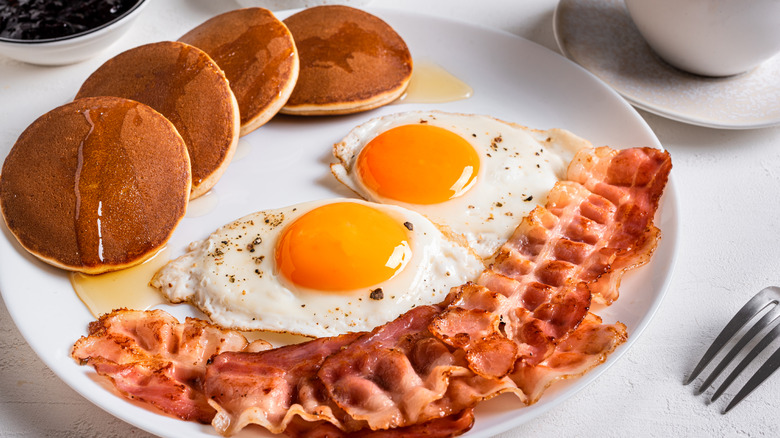
Many Millennials feel incredibly annoyed when their Boomer relatives push their "Breakfast is the most important meal" narrative on them. Notably, in 2024, Dalhousie University surveyed 9,165 Canadians to map out breakfast trends across generations. The results showed that only 4.1% of the Boomer generation skipped breakfast, the lowest out of any other.
While Gen-Z were the biggest breakfast skippers, with 9%, Millennials weren't too far behind at 6.1%. Now, there are plenty of strange things that can happen to your body when you skip eating breakfast. However, that still doesn't mean that breakfast is the most important meal of the day. During a January 2025 chat with Good Housekeeping, clinically trained nutritional therapist Lucy Miller professed that skipping breakfast could be beneficial, saying, "There is evidence to suggest that if we give ourselves a longer window between eating our evening meal and when we eat again, it gives the body a chance to reset and focus on cellular repair processes such as autophagy, rather than constantly digesting foods." According to Miller, the fasting period could also positively impact metabolism, help keep blood sugar levels in check, and be a good tool for weight management.
It's also worth remembering that the "Breakfast is the most important meal of the day" philosophy didn't stem from a study or research but a slogan popularized by the breakfast food giant, Kellogg's. With all of this in mind, it's safe to say that eating or skipping breakfast is an entirely personal choice that should depend on your mood, energy levels, and overall health needs, and not an old adage.
Millennials can't understand the older generation's obsession with extreme diets

Most Millennials understandably don't even think of going on crash diets after watching their relatives from the Baby Boomer generation cycle through one fad diet after another. Back in the '70s, the generation gravitated towards the grapefruit diet. As per the guidelines of the two- to three-week diet, a person had to ensure that all their meals were low in carbohydrates, high in protein, and came with a side of grapefruit. Some versions of the diet capped daily calorie intake at a measly 800 calories.
The '80s also brought the infamous cabbage soup diet, which only allowed people to consume cabbage soup along with two additional low-calorie foods like vegetables, fruits, or skim milk for one week. Needless to say, there were plenty of things that made the cabbage soup diet very concerning. However, since Boomers were under tremendous pressure to fit societal beauty standards, they largely ignored the concerns and continued to try fad diets.
While some members of the younger generation were pressured into trying such diets from their Boomer relatives, others were affected by simply watching the binge-restrict cycle play out. One study published in Nutrients in 2021 found that children could develop many negative views about food from watching their parents go on overly restrictive diets. Meanwhile, another study published in the International Journal of Eating Disorders in 2024 found that children who had watched their parents deal with a binge-eating disorder could end up going to more extreme lengths to control their own weight as they grew older.
The older generation's attitudes about children's food intake irk the younger generation

Since Baby Boomers were raised by a generation that experienced food scarcity, they, too, adopted the belief that their meals were not guaranteed. For many Boomers, this belief played out through hoarding and a refusal to throw out expired food. For others, this scarcity mindset cemented the idea that food preferences were not important, especially for younger family members. Many social media commentators have discussed how this belief in their Baby Boomer family members had manifested into them being unable to accept the boundaries they had for their children's food intake.
In a Reddit thread discussing the issue, one commenter shared that their in-laws had told their 1-year-old that they might not have access to food the next day if they didn't eat the meal they were served. Speaking with PureWow, dietitian Maryann Jacobsen explained that using food as punishment or reward could give rise to emotional eating in children as they grow older. She further explained, "It teaches kids to eat when they are not hungry. This leaves them ill-prepared for the food-plenty world in which we live."
Additionally, the Redditor noted that their Boomer family members tended to lie to their niece to get her to eat what they were serving. Speaking to ABC Australia, Dr. Rebecca Byrne, senior lecturer in children's nutrition at Queensland University of Technology, professed that although lying to a child to get them to eat might work in the moment, it could create additional problems surrounding food in the future that might be harder to tackle.
Millennials feel they have tolerated enough food shaming from Baby Boomers

Many Millennials have found they don't have to guess what Baby Boomers think of their diet because they will bluntly tell them. On Reddit, many people have opened up about how a Baby Boomer will casually comment about the lack of nutrition in their food choices or even make a "joke" about how much food they have on their plate.
In an interview with the Cleveland Clinic, psychologist Ninoska Peterson, PhD, shared some possible reasons why people are so compelled to food shame, saying, "These judgments could come from your own experience or the culture you grew up in. They could also be generational and framed by the trends of the time." According to her, family history and childhood experiences with food could also contribute to food shaming. Peterson stated that food shaming ultimately reinforces the idea that some foods are "good" while others are "bad" and also further cements the unhealthy "all-or-nothing" approach to nutrition.
Additionally, in a June 2023 YouTube video, Carolyn Coker Ross, MD, stated that food-shaming could lead a person to obsess over their food choices and their body, which could then lead to feelings of guilt and anxiety before ultimately culminating in binge-eating. In June 2023, Jessica Broome, PhD, shared with Today's Dietitian that shaming of any kind could also give rise to low self-esteem and make people want to isolate themselves even more. With all of this in mind, it's unsurprising that the younger generation doesn't want to continue the older generation's trend of making throwaway comments about food.