

Chamomile Is Known For Helping With Sleep But Here Are The Benefits You May Not Know About

According to a 2025 study in Complementary Therapies in Medicine, chamomile is an herbal remedy that may be able to help you sleep better. In the study, the researchers reviewed 10 clinical trials involving 772 people. What they found was that it improved overall sleep quality, helped people fall asleep more easily, and reduced nighttime awakenings. It also did these things without causing side effects, making it a safe alternative to sleep medications.
However, chamomile isn't just a useful sleep aid. According to WebMD, it has been used for millennia as a traditional treatment for respiratory symptoms, oral health, digestive complaints, and even hemorrhoids. They additionally note chamomile's usage for a variety of skin conditions, such as acne, eczema, burns, shingles, and psoriasis. Some people may also use chamomile in babies and young children for the relief of chickenpox, colic, diaper rash, and diarrhea.
What the research says about chamomile's health benefits

In a rundown of the research surrounding chamomile, SciTechDaily reports that chamomile flowers contain high levels of antioxidants, compounds that can neutralize free radicals and prevent damage to DNA. They further discuss a lab study showing that chamomile extract was found to stop diarrhea in rats due to its antioxidant enzyme activities, while a human study found a similar ability to ameliorate symptoms in children. Additionally, a small study found that 200 milligrams of chamomile daily was associated with decreased depression and anxiety. Yet other studies have shown that chamomile can help regulate inflammation and may be more effective in relieving pain than non-steroidal anti-inflammatory drugs (NSAIDs) like ibuprofen. The outlet additionally cites research indicating that a compound in chamomile, apigenin, might be protective against certain cancers. Finally, they say a study showed that drinking three cups of chamomile tea daily helped to improve blood sugar levels within eight weeks, indicating that adding tea to your day might be beneficial for those with type 2 diabetes.
How to use chamomile for sleep and beyond
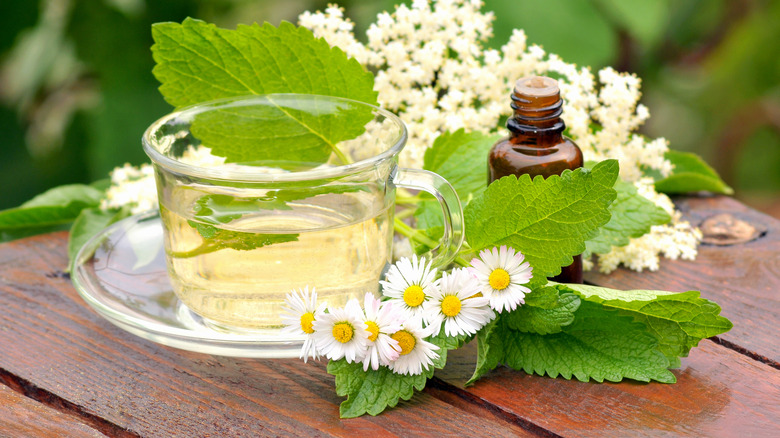
There are two species of chamomile that are commonly used medicinally: Matricaria chamomilla and Chamaemelum nobile. However, the former is the most widely used, according to WebMD.
Chamomile tea is a popular way to consume the herb, especially for anxiety and sleep. While there doesn't appear to be a standardized recommendation for how much tea to drink, Nisha Melvani, M.S., RDN, told EatingWell that 2 to 3 teaspoons of chamomile flowers in 8 ounces of water steeped for 5 to 7 minutes at around 200 degrees Fahrenheit was a good starting point, although you can double the amount if you prefer. You can also purchase pre-measured teabags containing the herb. Drink chamomile tea 30 to 60 prior to bedtime to help you relax and fall asleep.
To support digestion, Wild Dispensary suggests using digestive bitters made with 40% alcohol and fresh chamomile flowers. When the bitter taste receptors are stimulated, this causes the release of saliva and bile, which both help with breaking down our food.
To use chamomile on your skin, Wild Dispensary advises making an oil infusion to be used as is, or it can be turned into a balm by adding shea or coconut butter and beeswax and then gently heating it until the solid ingredients are melted.