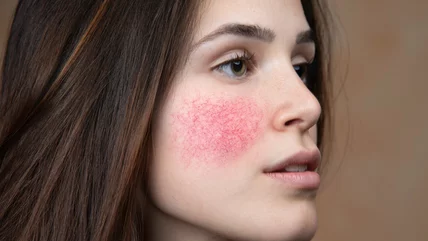
How To Identify The Different Types Of Rosacea
Rosacea may look like acne, but it's actually very different. In fact, there are a variety of symptoms that could help identify the four types of rosacea.
Read More

Rosacea may look like acne, but it's actually very different. In fact, there are a variety of symptoms that could help identify the four types of rosacea.
Read More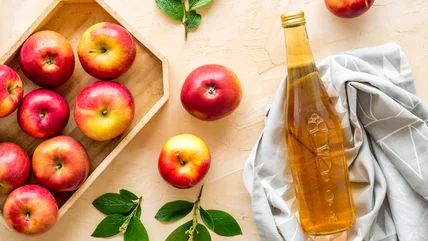
New health myths develop every day for just about every disease, including cancer. In fact, some are convinced apple cider is the next preventative.
Read More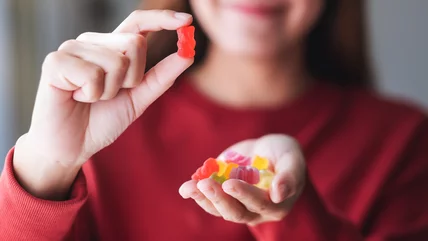
Despite CBD being federally legalized in December 2018, not much has been verified about the potential health benefits of CBD to date.
Read More
It's probably obvious that being lonely can affect your emotions, but it can also have a tangible effect on your body. Read on to learn more.
Read More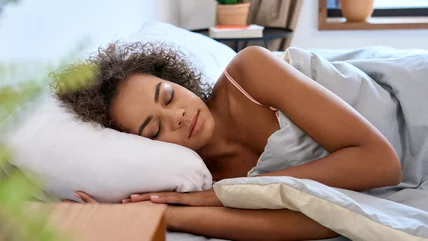
A lack of sleep can lead us to crave foods that may be high in fat and calories. Additionally, sleep deprivation inhibits our metabolism's functionality.
Read More
Here's what you should know about drinking too much caffeine.
Read More
Here's what you should know about taking a magnesium supplement when you're pregnant.
Read More
Here's what you should know about the risk factors for Type 2 diabetes.
Read More
Avocado: buttery and delicious, trendy on toast, and a nutritional powerhouse. But what happens when you eat one every day? Read on to find out.
Read More
In addition to determining whether or not you have to bend over to walk through door frames, your height may affect other aspects of your life.
Read More
Cancer treatment may soon benefit from a brand new therapy in which a virus will target cancer cells. Scientists are hopeful it will work for all cancers.
Read More
There are three different types of irritable bowel syndrome. In order to distinguish which is which, you'll have to pay close attention to the symptoms.
Read More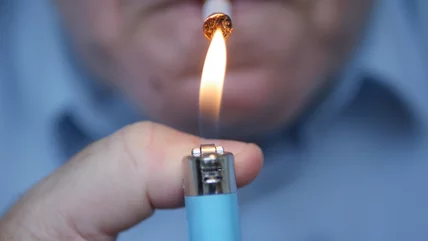
Aside from causing long-term health issues and being addictive, smoking tobacco is shown to lead to disastrous effects on your sleep quality.
Read More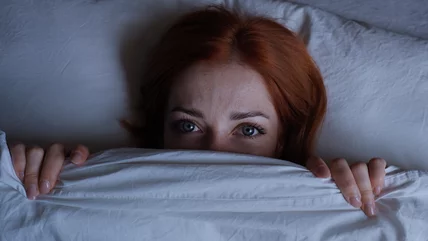
Some people experience sleep anxiety which may become so severe that it becomes somniphobia, which causes an irrational fear of falling asleep.
Read More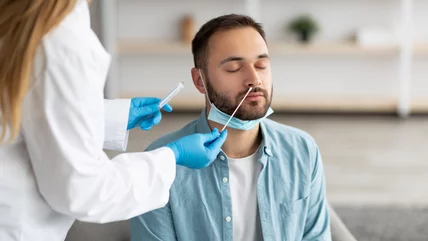
Research has shown that most people who have recovered from COVID-19 have significant protection against future disease, but just how long does it last?
Read More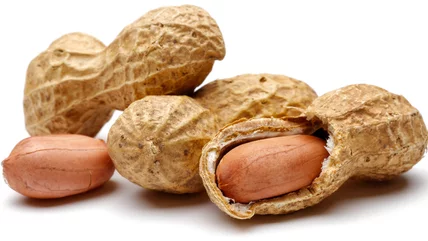
While peanuts and peanut products are overwhelmingly popular, they're also one of the most common causes of allergy attacks in many people.
Read More
One important way to combat tuberculosis is by making sure that you educate yourself when it comes to some of the more common myths that surround it.
Read More
Some expect acupuncture to be a painful experience, seeing as there's someone sticking needles all over your body. However, many reported feeling very relaxed.
Read More
A rare genetic disease called Hutchinson-Gilford progeria syndrome causes a child's body to age rapidly, sometimes called the "Benjamin Button" disease.
Read More
Despite our best SPF efforts, sometimes the sun still manages to do its damage. To treat a nasty sunburn, the best remedy may already be in your kitchen.
Read More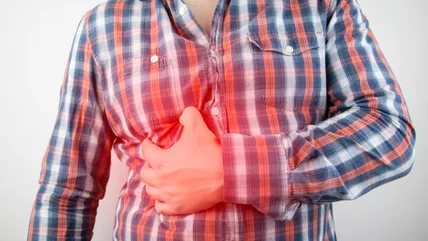
The symptoms indicating you might have suffered a rib break include severe pain in your chest that worsens if you touch it or twist your upper body.
Read More
The concept of "adulthood" can seem fuzzy, being more of a legal than a biological distinction. But when does science say you actually become an adult?
Read More
Aged cheese may pair up nicely with a glass of wine or some nuts, but a handful of cheeses could have a negative interaction with certain medications.
Read More
There's never a good time to come to terms that you're losing your hair. For that reason, some have turned to cortisone to help avoid bald patches.
Read More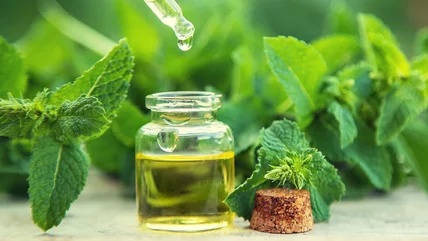
Peppermint can be used topically as an oil or taken in the form of tea leaves or supplements. It has numerous benefits for your physical and mental wellbeing.
Read More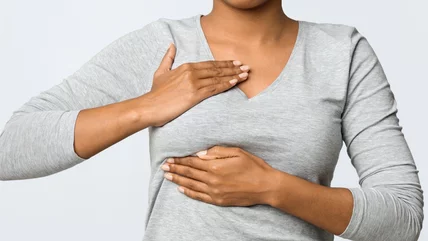
If you develop breast cancer, your doctor will likely present you with a few options, and a breast lumpectomy may be one of them. Here is what to expect.
Read More
At least 85% of sexually active American adults between the ages of 18 and 44 have engaged in oral sex. It may be common, but is it necessarily safer?
Read More