
Floss Picks Versus Regular Floss: Which One Is Better For Your Teeth?
Can the type of floss you use make a difference in your oral health?
Read More

Can the type of floss you use make a difference in your oral health?
Read More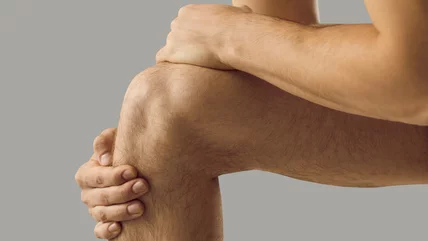
Most people just have one kneecap (patella) in each knee, but some people have two. Why does this happen, and can have it negative effects on health?
Read More
Is it okay to shave your legs every day or should you give yourself some time in between?
Read More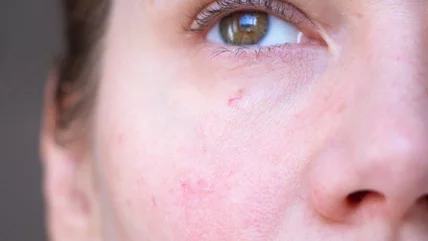
While they are not dangerous or painful, some people may feel embarrassed about broken blood vessels or "spider veins". Why do they happen, and what can you do?
Read More
You may be prescribed antibiotics when you don't need them or for longer than necessary. This can lead to antibiotic resistance, a growing global concern.
Read More
Here's how spicy food may impact your sleep.
Read More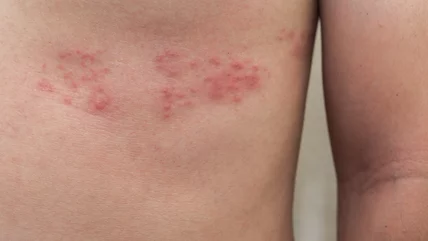
Shingles is an infection caused by the same virus as chickenpox and leaves behind a painful rash. Can it be prevented, and how is it treated?
Read More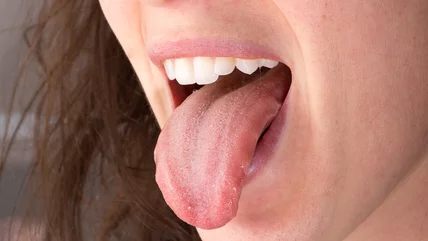
Just like any other area of the body, our tongue is also susceptible to injury, but what is one of the foremost common causes of a sore tongue?
Read More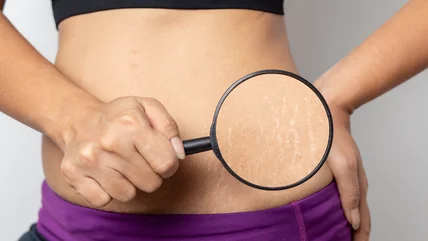
If you've ever noticed stretch marks somewhere on your body, you're not alone. In fact, up to 90% of the general population has them. But what does it mean?
Read More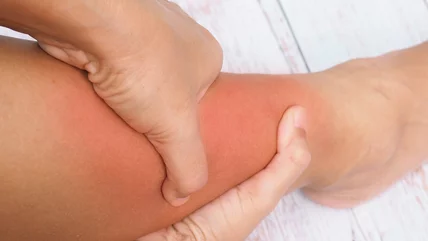
Cellulite is a skin condition that is unwanted yet harmless. Don't confuse it with cellulitis, a bacterial skin infection that could become life threatening.
Read More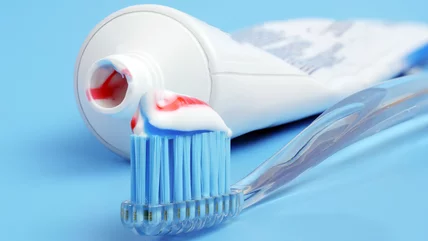
We may not often investigate the ingredients of toothpaste, but it is always wise to read the fine print. Here is what you should know about your toothpaste.
Read More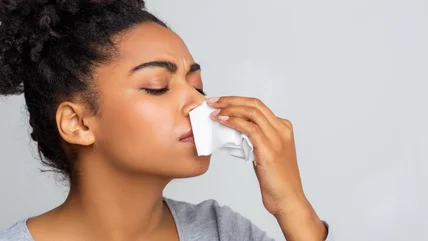
A nosebleed usually isn't cause for concern and can be caused by an ordinary dry environment or active nose picking. But some kinds require medical attention.
Read More
Whether it's Facebook, Twitter, Instagram, or TikTok, social media can be an integral part of your daily life. But what might it do for your mental health?
Read More
While most people associate a sore throat with strep throat or other illnesses, waking up with a dry, scratchy throat can occur for many different reasons.
Read More
Losing belly fat can be an ongoing struggle, especially for those who don't have time to exercise. Here is how to tackle that unwanted fat.
Read More
Here are some medications that you should never mix with alcohol, as they can be dangerous, if not life-threatening, depending on the type of drug.
Read More
Your legs can give important clues about what's happening inside your body, including your heart health. Here are the top signs to look out for.
Read More
Our eyes continue to engage in movement throughout the night while we're sleeping. But what exactly are they doing behind our eyelids?
Read More
Selective eating disorder is marked by an aversion to eating certain foods. Unfortunately, this can cause health complications and nutritional deficiencies.
Read More
Anyone who is sexually active can get a sexually transmitted disease (STD), but there is one STD that is more prevalent than others.
Read More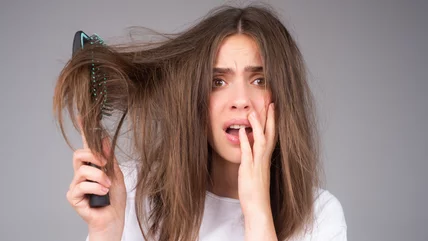
There are many factors that can dry out your hair and make it look frizzy. Fortunately, your hair doesn't have to get or stay frizzy if you don't want it to.
Read More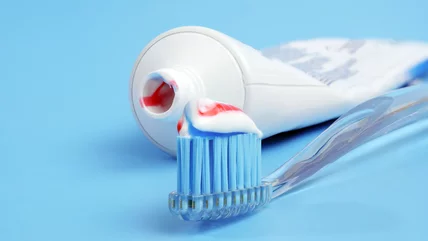
Let us dive into what you need to know to ensure your toothpaste and mouthwash are doing what they are supposed to do, and leaving you with a healthy smile.
Read More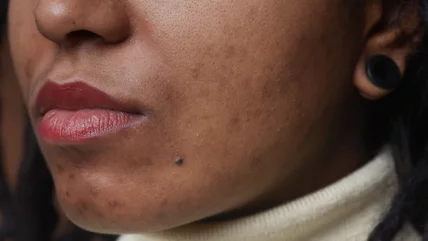
If you thought acne was a problem reserved for teenagers, think again. Hormonal acne is pretty common in adults, but you may be wondering, what causes it?
Read More
Humans have five primary senses: touch, smell, sight, sound, and taste. Hallucinations can also take these five distinct forms, but why do they happen?
Read More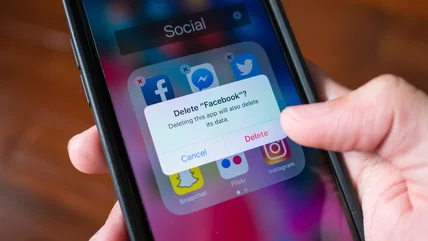
Social media can feel like both a blessing and a curse. What happens to our brain when we quit social media, and how does doing so influence our mental health?
Read More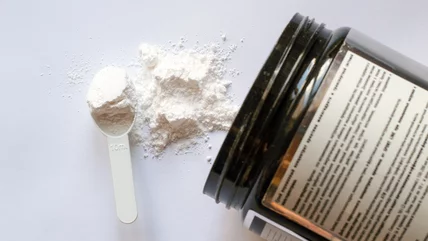
This amino acid and popular sports supplement can tell you a lot about your kidney health.
Read More
It's estimated that 2.2 million people in the U.S. suffer from epilepsy. Furthermore, 1 in 26 people will develop epilepsy at some point in their lives.
Read More