

Bindi Irwin's Painful Endometriosis Journey Is Far Too Relatable For One Reason

For years, Bindi Irwin dealt with the pain of endometriosis. Her agonizing symptoms finally stopped when she underwent surgery to remove cysts throughout her pelvic area in 2023.
Irwin hasn't stayed quiet about her difficult journey, even after entering a post-recovery phase of life. However, what turned her into an advocate for other women wasn't just her experience with the symptoms of endometriosis; she was equally motivated to talk about the ways that some of her initial doctors dismissed the severity and minimized the validity of her condition.
Irwin explained that she was constantly told by medical professionals that her pain was to be expected because she was a menstruating woman (via Today). This led to her unnecessarily struggling with sometimes overwhelming discomfort for far too long. Consequently, Irwin decided to speak up rather than stay silent about her private life. "It is devastating to me how many people, including myself, feel like they can't get the answers and the help that is deserved because of people normalizing severe period pain," she said.
Gender bias in diagnosing health issues
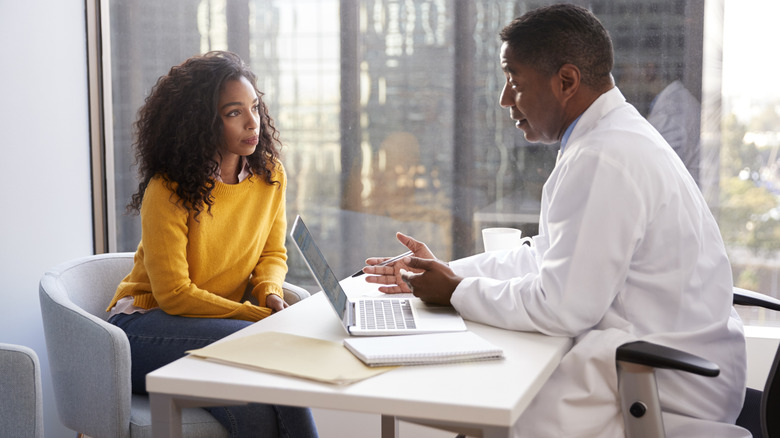
Irwin's frustration of having her physical issues downplayed by medical personnel because of her gender may resonate with plenty of women. According to a 2021 survey from the Alliance for Endometriosis, 62% of women who came to their medical providers with endometriosis pain were told their discomfort was normal (via PR Newswire).
Additionally, a survey published in FemTech revealed that 93% of young adult women had been treated dismissively by a medical provider. Many of the survey respondents admitted that they had been told that their symptoms were stress-related or had been given treatments without a comprehensive examination.
This type of gender bias has been observed before in healthcare, according to a 2018 study in Circulation that found discrepancies in the care received by women with heart pain versus men with heart pain. When women presented to the emergency department with chest discomfort, they were less likely to be evaluated for heart disease than men.
Diagnosing and dealing with endometriosis
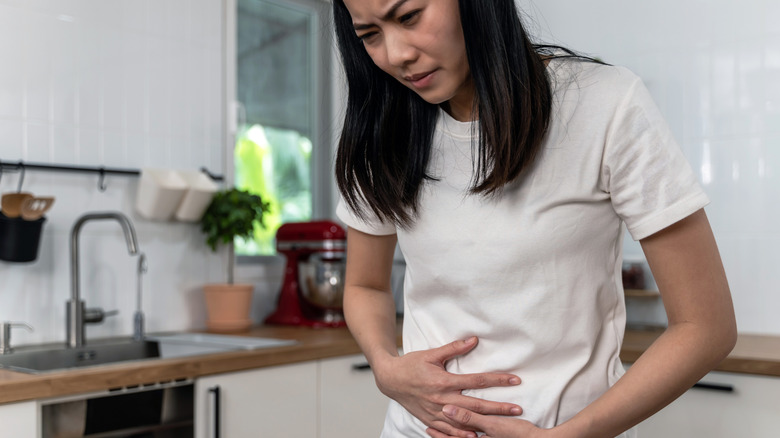
A 2024 paper in eClinicalMedicine concluded likewise about medical gaslighting of women's concerns, stating that, based on a number of studies, women's pain has been frequently met with skepticism or disregard by physicians. And one of the studies determined that the average time to receive a diagnosis of endometriosis was nine years. This lines up with Irwin's admission that it took a decade to find out why she was having so much pain.
Endometriosis affects roughly one-tenth of women who are still in their reproductive years. As ob-gyn Dr. Katie Peterson explained (via American Medical Association), "Endometriosis results when cells from the lining of the uterus implant, grow and illicit [sic] an inflammatory response outside the uterine lining." Dr. Peterson added that pelvic pain was a hallmark symptom of endometriosis, along with infertility, painful sexual intercourse, and painful bowel movements. (Here are endometriosis symptoms you shouldn't ignore.)
Although Irwin turned to surgery for her endometriosis, other treatments may be available. For example, some women who live with endometriosis find relief by taking hormones.