
Can Exercise Cause Inflammation?
Inflammation is usually associated with acute injuries, chronic stress, and certain diseases. But can exercise cause inflammation too?
Read More
Inflammation is usually associated with acute injuries, chronic stress, and certain diseases. But can exercise cause inflammation too?
Read More
It should be hard to misdiagnose migraines, but a surprising number of people misidentify their migraines as sinus headaches. What is the difference?
Read More
Our kidneys are often overlooked, but if you have a kidney infection, the last thing you want to do is overlook the signs or fail to get treatment.
Read More
Because many illnesses have similar symptoms, it's no wonder you find it confusing to diagnose a common cold. Avoid assumptions. Read on to get the facts.
Read More
If you have continuous back pain that impacts your daily life, it may be a sign of a herniated disc. Here are the symptoms, causes, and treatment options.
Read More
What happens to your body when you don't exercise? Literally at the heart of the matter is your heart, which is directly affected by a lack of aerobic activity.
Read More
For some of us, there's nothing better than turning up the steam in a hot shower, but some prefer cold showers. Which one is better for you?
Read More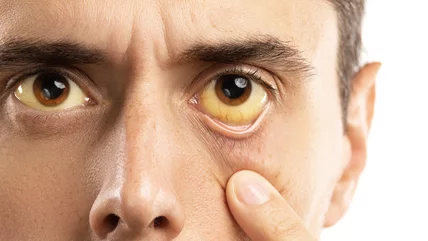
Many of us have heard of yellow fever but don't know what it is. Here's everything you need to know about this potentially life-threatening virus.
Read More
Foods that you eat can make you colder or warmer ... and don't always create the effect you might expect!
Read More
Dark chocolate can boost your mood, help with memory loss, regulate blood sugar, help stave off diabetes, promote healthy skin, and help prevent cancer.
Read More
Migraines can be a debilitating and ongoing medical condition for many. Among the various treatment options available, is acupuncture worth considering?
Read More
Once a virus enters your system, it goes through an incubation period. During this time, it is unlikely that symptoms will present themselves.
Read More
The common cold is exactly that - common, so you may be wondering: When a cold comes on, is there any sequence of symptoms to watch out for?
Read More
Most cold symptoms peak within three days, and then you will slowly begin to feel better, but for how long are you at risk of spreading the cold to others?
Read More
The cocoa in chocolate may help relieve headaches, but some of the other ingredients, including tyramine and beta-phenylethylamine, can trigger migraines.
Read More
Taking your blood pressure reading at a consistent time each day is important, but it's also advisable to measure it before eating or drinking.
Read More
Blood clots can pose serious risks to our health. While common interventions include medication, certain foods in our diet can also help reduce our risk.
Read More
Ginger can help manage blood pressure, by acting as a calcium channel blocker and ACE inhibitor, but if you're already on medications, consult with your doctor.
Read More
Those who have Crohn's disease know how debilitating it can be. If you know someone with it, you might understand the pain and frustration. Is there a cure?
Read More
Apple cider vinegar has been around for decades and boasts many benefits. It is made from fermented apple juice, and that gives it some positive qualities.
Read More
Everyone gets headaches sometimes. This condition, although common, is frustrating to experience. Here's what to do when you get one.
Read More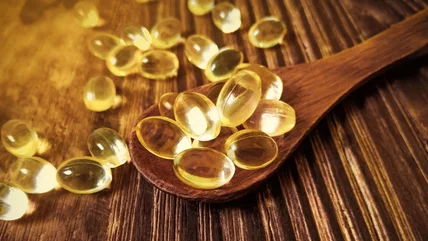
Vitamin E is a fat-soluble vitamin found in a variety of foods including sunflower seeds, almonds, asparagus, and avocado. Can it help your heart?
Read More
For those with PCOS, diet is a huge part of managing symptoms. Read on to learn which foods to eat and avoid if you have PCOS.
Read More
Like vitamin D deficiency, high blood pressure is common in the United States. Could taking a vitamin D supplement help combat hypertension?
Read More
Pollen, dust, and food are often environmental causes of allergies. But what role, if any, do genetics play in whether or not we have allergies?
Read More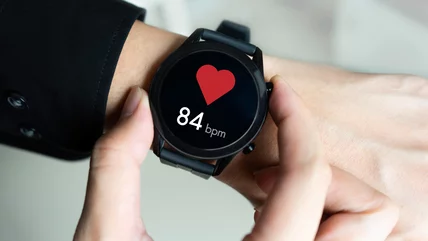
At rest, our hearts generally beat between 60 to 100 times every minute, but how do we know when our heart rate is too high and what can we do about it?
Read More
Knowing the healthy range of blood pressure gives you insight into your own health and helps you take steps to improve your heart health regardless of age.
Read More