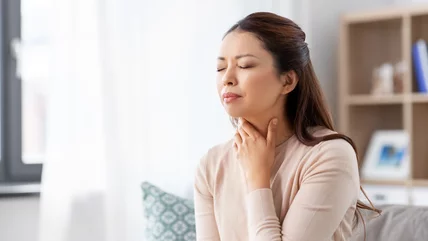
7 Foods To Eat And 7 To Avoid When You Have A Sore Throat
When you have a sore throat, what you eat makes a difference in soothing or exacerbating your symptoms. Find out which foods to eat and avoid for a sore throat.
Read More
When you have a sore throat, what you eat makes a difference in soothing or exacerbating your symptoms. Find out which foods to eat and avoid for a sore throat.
Read MoreAmber Heard has received two new mental health diagnoses during her court proceedings with ex-husband Johnny Depp. Here's what they mean.
Read MoreYou've probably heard about procedures like dermabrasion and microdermabrasion, but what are they and what is the difference between them?
Read MoreIrish researchers conducted two studies exploring how clinical interventions such as occupational therapy affect participants coping with symptoms of long COVID
Read MoreNew research reveals some startling statistics about the link between race and multiple sclerosis. It also refutes what experts once thought to be true.
Read MoreThyroid disease is caused by thyroid hormone imbalance from either an overactive (hyperthyroidism) or underactive (hypothyroidism) thyroid gland.
Read MoreHave you ever noticed that your ability to fall or stay asleep is impacted during the summer months? If so, you definitely aren't alone. Here's what to do.
Read MoreLike many popular diets, there are several myths surrounding the "keto" diet, but many studies have shown benefits associated with being in ketosis.
Read MoreBeta blockers are a type of drug that can help manage blood pressure and reduce stressors on the body caused by adrenaline. Here's how they work.
Read MoreSleeping pills have become a common way for people to get help drifting off to sleep at night. But do they actually expire?
Read MoreSince PrEP is a once-daily preventative medication, it can help protect you and your partners by lowering your risk of developing HIV.
Read MoreLoaded with protein, turkey fills you up quickly and makes it easy to keep your calories in check. Plus, it's low in fat and rich in magnesium, zinc, and iron.
Read MoreBefore you slip on your flip-flops and hit the beach, you may want to rethink your footwear choice. While fashionable, flip-flops can cause serious foot issues.
Read MoreYou may be wondering if a manual or powered toothbrush is better for your oral health. But what are the side effects of using an electric toothbrush?
Read MorePre-menstrual syndrome can cause migraines, cramps, fluid retention, diarrhea, and junk food cravings. But you can ease PMS symptoms by engaging in exercise.
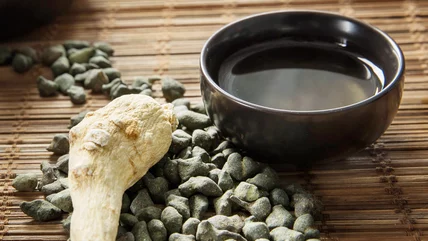
Read MoreGinseng has impressive medicinal properties and is used to treat low vitality, chronic stress, and more. As a natural blood thinner, it might not be for you.
Read MoreIf you suffer from period cramps, you've probably tried ibuprofen, warm baths, and using a heating pad to ease your pain. Magnesium could be another remedy.
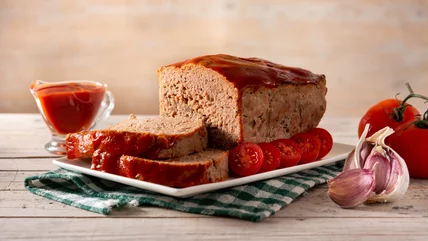
Read MoreMeatloaf is a tasty dish you probably grew up eating, but you may want to avoid it the next time you're eating out.
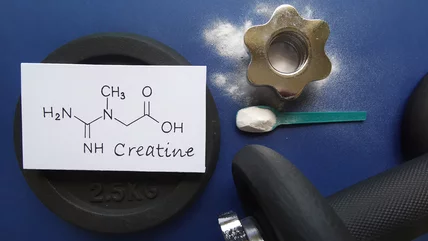
Read MoreCreatine is one of the most popular sports supplements, offering tangible benefits for gym-goers and pro athletes alike, but is there a best time to take it?
Read MoreKickboxing is a martial art that not only involves punching and footwork, but kicks as well. Did you know that it can benefit your mental health?
Read MoreProbiotics are thought to help replenish levels of good bacteria in the gut, but some people experience an unwanted side effect from them: flatulence.
Read MoreNaomi Judd was once given three years to live from this disease.
Read MoreThe sudden onset of a headache or migraine may often leave you wondering what's the root cause of this pain. Some ingredients in foods could be the culprit.
Read MoreA popular strength training exercise with various variations is the lunge. If your body resists getting into a proper lunge, there are some fixes you can try.
Read MoreYour respiratory system's job is to distribute fresh air throughout your body. Can this system ever get weak, and if so, what can you do about it?
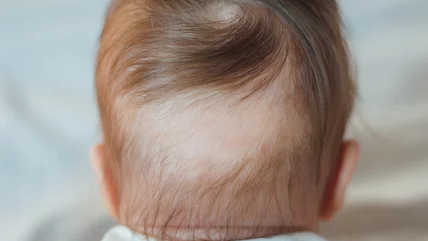
Read MoreIt's not uncommon for infants to lose the hair on their delicate heads during their first four to six months. But some babies are born with a bald spot.
Read More