
What To Know About The First FDA Approved Targeted Treatment For HER2-Low Breast Cancer
The U.S. Food and Drug Administration has approved the drug trastuzumab-deruxtecan for patients with the HER2-low breast cancer subtype.
Read MoreThe U.S. Food and Drug Administration has approved the drug trastuzumab-deruxtecan for patients with the HER2-low breast cancer subtype.
Read MoreWhile the vaccine will still be administered in two doses, four weeks apart, each shot will be a much lower dose than the original.
Read MoreIt's widely believed that lifestyle plays a large role in cancer risk. However, new research is suggesting another important factor may have a greater impact.
Read MoreIf you're a woman who has chosen to be self-employed for more flexibility and freedom, this lifestyle may also be supporting your heart health.
Read MoreThe U.S. government will receive 150,000 doses of the vaccine in September. Until then, health officials may have a solution for the currently limited supply.
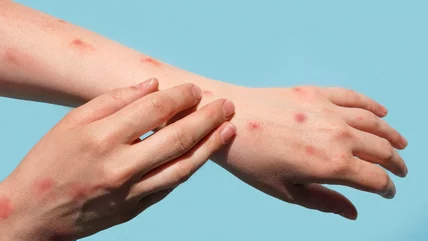
Read MoreWith monkeypox cases continuing to rise across the country, it's important to be aware of how the illness spreads and how to keep yourself safe from exposure.
Read MoreA plant-based diet can be beneficial for many reasons, including reducing the risk of breast cancer.
Read MoreHeart disease is the leading cause of death in the United States.
Read MoreMany Americans are using a wide range of marijuana and hemp products to alleviate various ailments. But are these products as safe as they seem?
Read MoreCertain groups are more vulnerable to the health effects of climate change, with children being one of the most susceptible groups. Here's how.
Read MoreCoronary artery disease develops over many years, typically due to a build-up of cholesterol deposits (or plaques) and inflammation in the coronary arteries.
Read MoreThe Inflation Reduction Act would be making significant changes to health care policy and prescription drugs. However, there are some limits to this measure.
Read MoreThere are many risk factors for cancer, but a new study suggests that there are two major ones.
Read MoreThere are different types of vasculitis depending on which blood vessels are affected, but it's systemic, meaning it can affect multiple organ systems.
Read MoreSpending more time outdoors immersed in nature can reduce your heart rate and blood pressure, and even help relieve muscle tension.
Read MoreIt's natural for humans to constantly be striving for more. It's an important part of our evolution. But what happens when it actually decreases satisfaction?
Read MoreA recent study has found that acupuncture may also help reduce one's risk for prediabetes and the subsequent development of type 2 diabetes.
Read MoreRegular stretching may help slow cognitive decline, according to a recent study presented at the 2022 Alzheimer's Association International Conference.
Read MoreGovernment officials say they have focused heavily on educational outreach amongst communities most vulnerable to infection, particularly the LGBTQ+ community.
Read MoreMany feel monkeypox has been characterized as a disease largely attributed to the LGBTQ+ community. As a result, it has brought on additional stigma.
Read MoreMany parents are still choosing not to vaccinate their very young children. Here are some of the biggest reasons why, according to recent polling.
Read MoreCases of monkeypox in the U.S. are steadily creeping upward. Discover which states have the highest number of reported cases of the disease.
Read MoreNew research confirms racial discrimination is an ongoing issue for maternal health in America. Not only does it affect the mother's health, but the baby's too.
Read MoreThe COVID-19 pandemic has been (and continues to be) one of the most devastating health-related events in modern history.
Read MoreIf you're already somewhat healthy, a recent study published in Frontiers in Nutrition found more evidence for another course of action — cocoa.
Read MoreCOPD affects millions of Americans each year. But a recent study suggests women may be at a higher risk than men. Here's what the research has to say.
Read MoreCommonly observed in the big toe, ankle, or knee, flare-ups from gout can come on abruptly and may last for up to weeks at a time.
Read More