
Why The World Health Organization Plans To Rename Monkeypox
The World Health Organization (WHO) announced that it plans to rename monkeypox due to concerns that the name is stigmatizing. Here is what you should know.
Read More

The World Health Organization (WHO) announced that it plans to rename monkeypox due to concerns that the name is stigmatizing. Here is what you should know.
Read More
Summer might mean spending more time outside, but high temperatures and humidity can sneak up on you. In fact, heatwaves are becoming more prevalent.
Read More
You may not think that TikTok can be dangerous for your health. But the diet advice on the platform has health experts concerned. Here's why.
Read More
If you have been trying to alter your diet but you keep finding yourself falling back on the same foods, it may not be your fault.
Read More
It's not just baby formula that's in scarce supply in stores across the country. As it turns out, the U.S. is also experiencing a nationwide tampon shortage.
Read More
Exercise and a healthy diet can stave off complications of diabetes. Now research suggests there may be another way to keep blood sugar balanced -- whey powder.
Read More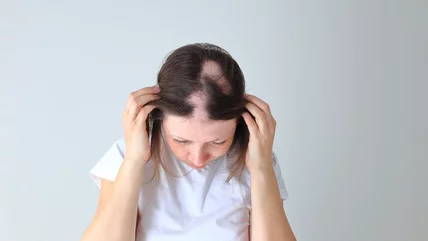
People with severe alopecia have one more way to treat their condition.
Read More
While it may seem like binge drinking on occasion is no biggie, researchers reveal some surprising statistics that it could negatively impact our health.
Read More
Researchers who wanted to know just how much stress impacts the immune system studied 5,744 adults over the age of 50, and the results were surprising.
Read More
Social influencers have developed a new breed -- patient influencers who share medical advice and patient experiences. But health experts are growing concerned.
Read More
The baby formula shortage has made many parents fearful of being unable to feed their babies. Here's what kind of help Operation Fly Formula can provide.
Read More
Bieber announced his diagnosis on Instagram today.
Read More
Watching your young child learn to swim for the first time can feel scary. But experts recommend starting them sooner rather than later.
Read More
The respiratory transfer of viral particles can occur, but monkeypox is primarily contracted through contact with the bodily fluids of an infected individual.
Read More
This information can affect how people are treated for COVID-19.
Read More
Here's why so few people are being prescribed new and effective weight loss drugs.
Read More
Not every parent will understand what it means to be LGBTQ, but being respectful and receptive to thoughts and concerns can create a more positive dialogue.
Read More
From reading to meditation, it's clear that sleep can be influenced by what we do before bed, but what about who we snooze with in bed?
Read More
Apple recently previewed the next version of their smartwatch, and there's a lot to be excited for. Here are a few of the top new features you can expect.
Read More
Prostate cancer is rare in men younger than 40, but the chance of developing the disease rises substantially after age 50. Here are some of the risk factors.
Read More
Fish and seafood are a key part of a well-balanced diet. This is because they are packed with nutrients like omega-3 fatty acids, which are essential fats.
Read More
Most of us know mental health is an essential aspect of overall health. But research is now showing the importance of optimism specifically.
Read More
Gender-affirming hormone therapy is controversial, but a new study shows that this treatment is actually critically beneficial for those who require it.
Read More
A new study reveals how our dreams could provide clues as to whether or not we might develop Parkinson's disease. Here's what the research says.
Read More
The study findings will help raise awareness of the fact that adult survivors of childhood cancer need to monitor their heart health with greater scrutiny.
Read More
Mental health is becoming more of a priority for health leaders and policymakers. But what exactly are the rates of mental illness in the U.S.?
Read More
Researchers found that veterans were more likely to be diagnosed with melanoma, and their risk of stage 4 melanoma was higher than the U.S. population.
Read More